1 Ton Electric Hoist
1 Ton 3M Electric Chain Hoist with Dual-speed Lifting and Operation for Sale to Australia
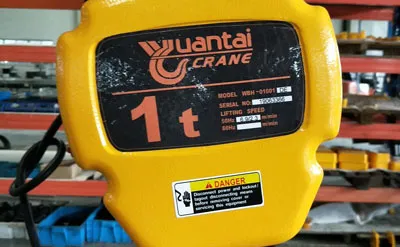
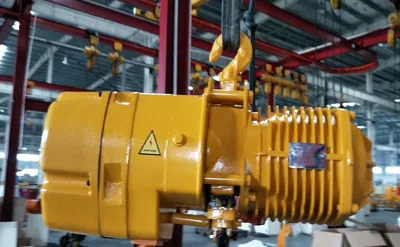
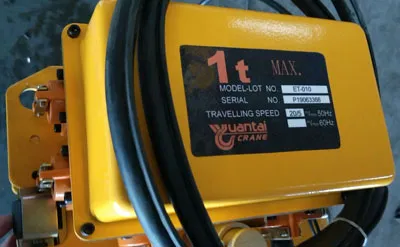
Lifting Capacity: 1 ton
Span: m
Lifting Height: 3 m
Working Class:
Note: We can design and manufacture the crane according your requirments and working conditions.
1 Ton 3M Electric Chain Hoist with Dual-speed Lifting and Operation for Sale to Australia:
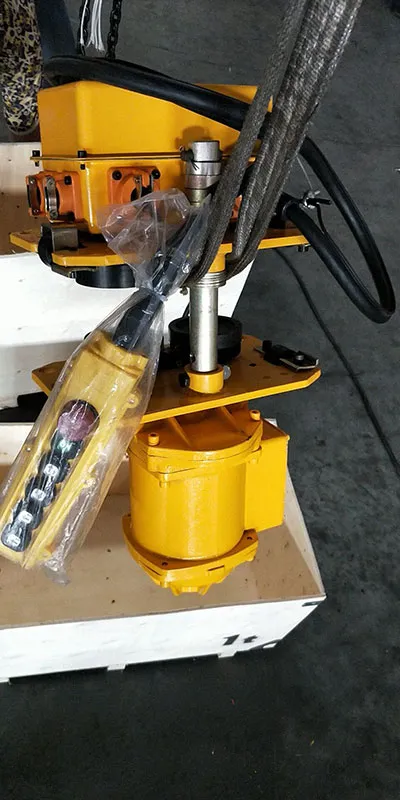
This project involved supplying a 1 ton electric chain hoist to a light engineering company in Australia specializing in equipment assembly and maintenance services. The client operates a compact workshop where daily tasks include lifting motors, gearboxes, and fabricated components within a limited space. As workload increased, manual handling and single-speed lifting equipment were no longer efficient enough to meet their operational needs.
During the initial consultation, the customer from Australia provided detailed information about their workflow. Components are received, inspected, and then transferred between repair stations and assembly benches. Based on this process, we recommended a 1 ton electric chain hoist with dual-speed lifting and traveling functions. The dual-speed design (6.9/2.3 m/min lifting and 20/5 m/min traveling) allows both fast positioning and precise control, which is critical for assembly accuracy.
- Lifting capacity: 1 ton
- Lifting height: 3 m
- Power supply: 415v/ 50hz/ 3p
- Lifting speed: 6.9/2.3 m/min
- Traveling speed: 20/5 m/min
Technical advantages of this solution include:
- Dual-speed lifting for both efficiency and precision
- Compact design suitable for limited headroom environments
- Stable operation with reduced load swing
- Reliable performance under 415V/50HZ/3P power supply
Communication throughout the project was clear and practical. The client in Australia was particularly focused on ease of installation and operational safety. We provided detailed layout suggestions, wiring guidance, and operation instructions to ensure smooth integration of the 1 ton electric chain hoist into their facility.
Before shipment, the equipment was fully tested and carefully packaged to prevent damage during long-distance transport. After delivery to Australia, the installation was completed quickly with minimal disruption. Feedback from the customer confirmed that the 1 ton electric chain hoist improved workflow efficiency, reduced manual labor, and enhanced overall operational control.
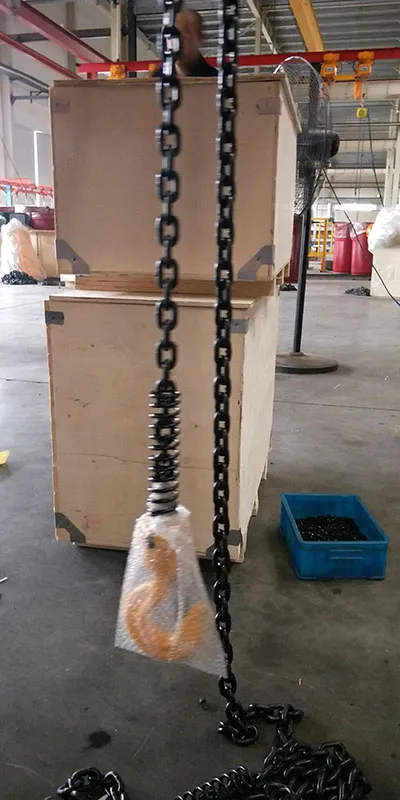
How to Choose the Right 1 Ton Electric Chain Hoist in Australia:
Selecting the correct lifting solution requires a clear understanding of real working conditions. A electric chain hoist is widely used in light industrial environments where precision, flexibility, and efficiency are essential. In Australia, workshop layouts and safety expectations make proper selection even more important.
The first step is evaluating actual lifting requirements. Most facilities use a 1 ton electric chain hoist for handling components such as tools, small machinery parts, or fabricated assemblies. Choosing the right capacity ensures safety while avoiding unnecessary investment.
Key selection considerations include:
- Lifting height: Must match ceiling clearance and workflow needs
- Speed configuration: Dual-speed improves both efficiency and control
- Power supply: Ensure compatibility with local standards
- Duty cycle: Consider frequency of daily operations
Another important factor is integration with workflow. A well-selected 1 ton electric hoist should allow smooth movement between workstations without interrupting production.
In practice, businesses in Australia prioritize equipment that is reliable and easy to operate. By carefully analyzing these factors, companies can select a 1 ton electric chain hoist that improves productivity while maintaining safety and long-term performance.
Benefits of Using a 1 Ton Electric Chain Hoist in Australian Workshops:
Improving efficiency and safety is a key goal in modern workshops. A 1 ton electric chain hoist offers a practical solution for handling light to medium loads with greater control and reduced manual effort.
One of the main advantages is workflow improvement. A electric chain hoist allows operators to move materials directly between workstations, eliminating unnecessary handling steps. This leads to faster production cycles and better organization.
Key benefits include:
- Reduced manual lifting: Minimizes worker fatigue
- Improved safety: Stable lifting reduces accident risks
- Space efficiency: Utilizes overhead area effectively
- Consistent operation: Ensures repeatable handling processes
Another benefit is precision. In assembly or maintenance tasks, a 1 ton electric hoist provides controlled movement, making it easier to position components accurately.
In Australia, where labor costs are relatively high, adopting a 1 ton electric chain hoist helps businesses maintain efficiency without increasing workforce demands. This makes it a valuable investment for small and medium-sized operations.
Installation Guide for a 1 Ton Electric Chain Hoist in Australia:
Proper installation is essential to ensure safe and reliable operation. A 1 ton electric chain hoist must be installed with attention to structural support, alignment, and electrical compatibility.
The first step is assessing the supporting structure. The beam or mounting point must be capable of handling the load and dynamic forces. A 1 ton electric hoist is often preferred because its compact design reduces structural requirements.
Typical installation steps include:
- Inspecting structural strength and load capacity
- Mounting the hoist securely to the beam or trolley
- Connecting electrical systems according to standards
- Testing operation under no-load and load conditions
Alignment is critical for smooth operation. An improperly installed 1 ton electric chain hoist may cause uneven wear and reduced lifespan.
In real projects, installation is often planned to minimize downtime. A correctly installed 1 ton electric chain hoist ensures stable performance and integrates seamlessly into daily operations.
Maintenance Tips for a 1 Ton Electric Chain Hoist in Australian Conditions:
Regular maintenance ensures long-term reliability and safe operation. A 1 ton electric chain hoist must be inspected and serviced according to usage conditions and environmental factors.
Daily checks should include inspecting the chain, hook, and controls. A 1 ton electric hoist operating in dusty or humid environments may require more frequent cleaning and lubrication.
Key maintenance practices include:
- Lubricating the chain and moving parts
- Inspecting electrical components for wear or damage
- Testing braking systems for reliability
- Checking load handling performance
Preventive maintenance helps identify potential issues before they cause downtime. A well-maintained 1 ton electric chain hoist operates more efficiently and has a longer service life.
In Australia, adapting maintenance schedules to local conditions ensures consistent performance and reduces unexpected failures.
Safety Practices for Operating a 1 Ton Electric Chain Hoist:
Safe operation is critical in any lifting environment. A 1 ton electric chain hoist must be used according to proper procedures to protect both workers and equipment.
Before operation, the equipment should be inspected. A electric chain hoist should not be used if any defects or irregularities are detected. Load capacity must always be respected to prevent overload conditions.
Important safety practices include:
- Ensuring proper load balance before lifting
- Avoiding sudden or jerky movements
- Maintaining clear communication between operators
- Keeping the work area free of obstacles
Training is also essential. Operators must understand how to use a 1 ton electric chain hoist correctly and respond to potential hazards.
By following these practices, businesses can ensure safe and efficient lifting operations while reducing the risk of accidents.
Cost Factors of a 1 Ton Electric Chain Hoist in Australia:
Understanding cost structure is important when investing in lifting equipment. A electric chain hoist is generally considered a cost-effective solution, but total cost depends on multiple factors.
The initial price is influenced by configuration, including lifting height and speed options. A 1 ton electric chain hoist with advanced features may cost more but offers better performance.
Key cost factors include:
- Installation expenses: Structural setup and labor
- Maintenance costs: Regular servicing and parts replacement
- Energy consumption: Efficiency of the motor system
- Operational efficiency: Impact on productivity
In Australia, businesses often evaluate long-term value rather than just upfront cost. A properly selected 1 ton electric hoist reduces downtime and improves workflow efficiency.
Overall, investing in a 1 ton electric chain hoist provides strong returns by enhancing productivity and lowering operational risks.
Application of 1 Ton Electric Chain Hoist in Australia:
Australia’s industrial landscape is shaped by high labor costs, strict safety regulations, and a strong focus on operational efficiency. In this context, businesses increasingly rely on compact and reliable lifting solutions to reduce manual handling and improve productivity.
In small and medium-sized manufacturing workshops, production processes often involve moving components between cutting, machining, and assembly stations. A electric chain hoist provides sufficient lifting capacity for handling tools, parts, and light equipment while maintaining precise control.
In warehousing and logistics, efficient use of space is a key priority. Facilities handling moderate loads benefit from overhead lifting systems that free up floor space. A 1 ton electric chain hoist allows operators to lift and position goods vertically, improving storage efficiency and reducing the need for excessive ground equipment.
Maintenance and service industries also rely on flexible lifting solutions. A 1 ton electric hoist is frequently used for equipment repair, allowing technicians to safely lift motors, pumps, and mechanical components.
From an economic perspective, businesses in Australia prefer equipment that is cost-effective, durable, and easy to maintain. The 1 ton electric chain hoist meets these requirements by offering reliable performance with relatively low operating costs.
Previous:Price of 1 Ton 10M Electric Chain Hoist for Sale to Ghana
Next: Sorry no more