100 Ton Gantry Crane
100 ton gantry crane is a heavy duty lifting equipment designed for the handling and hoisting of heavy goods. 100 ton gantry crane is commonly utilized in a variety of industrial settings, including ports, shipyards, manufacturing plants, warehouses, and other facilities where the handling of large and heavy duty cargo is essential.
What gantry crane can lift 100 ton:
Several types of gantry crane are designed to lift heavy loads, including those with a capacity of 100 tons. Here are some common types of 100 ton gantry crane that can handle such heavy duty lifting: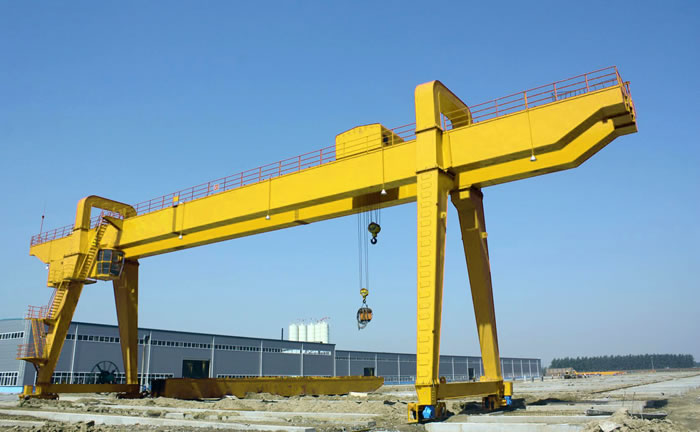 100 Ton Double Girder Gantry Crane
 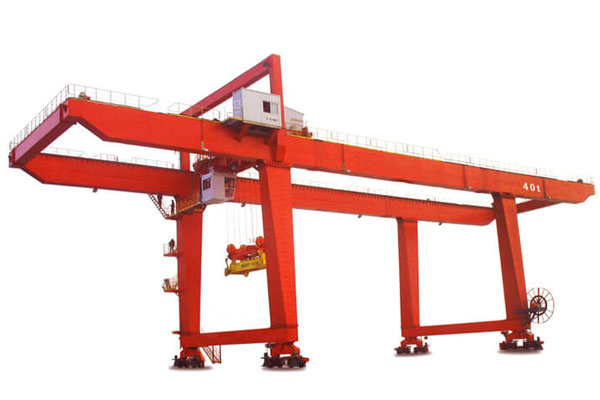 100 Ton Rail-Mounted Gantry Crane (RMG)
 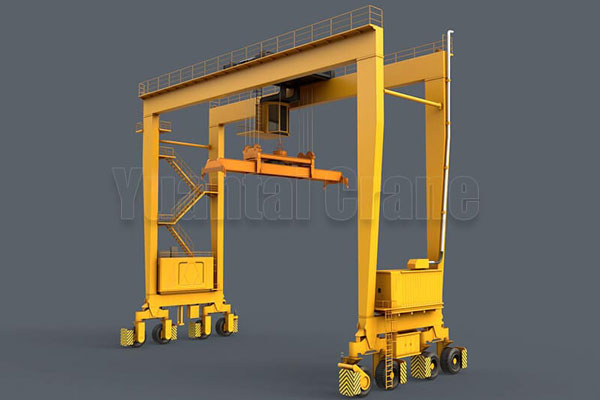 100 Ton Rubber-Tired Gantry Crane (RTG)
 1. 100 Ton Double Girder Gantry Crane:
- Design: This type of 100 ton gantry crane has two main horizontal girders that support a trolley and hoist. The hoist is typically positioned between the girders, providing stability and high lifting capacities.
- Capacity: Double girder gantry crane are suitable for heavy duty applications and can often lift 100 tons or more.
2. 100 Ton Rubber Tired Gantry Crane (RTG):
- Design: RTGs are mobile 100 ton gantry crane with rubber tires, allowing them to move easily around a facility. They are commonly used in container yards and other outdoor applications.
- Capacity: Heavy duty RTGs can be designed to lift 100 tons or more.
3. 100 Ton Rail Mounted Gantry Crane (RMG):
- Design: RMGs are 100 ton gantry crane that travel on rails, typically used in container terminals and intermodal yards.
- Capacity: Some heavy duty RMGs are designed to lift containers weighing 100 tons or more.
When considering a 100 ton gantry crane for a specific application, it's crucial to consult with crane manufacturers or suppliers to ensure that the selected crane meets the required specifications and safety standards for lifting 100 tons. Additionally, factors such as span, lift height, and operational conditions should be taken into account during the selection process.
100 ton gantry crane Price and Specification:
| 100 Ton Gantry Crane Types | Lifting span(m) | Lifting height(m) | Power supply(V) | Price(USD) |
| 100 Ton Double Girder Gantry Crane | 7.5~31.5 | 6~30 | 220-480/3/50 | $20,000 - $150,000 |
| 100 Ton Rail-Mounted Gantry Crane (RMG) | 7.5~31.5 | 6~30 | 220-480/3/50 | $800,000 - $2,000,000 |
| 100 Ton Rubber-Tired Gantry Crane (RTG) | 20~30 | 12~18 | 220-480/3/50 | $500,000 - $1,000,000 |
100 ton gantry crane feature:
A 100 ton gantry crane is a heavy duty lifting equipment designed for handling substantial loads in various industrial applications. Here are the key features commonly associated with a 100 ton gantry crane:- Lifting Capacity: A 100 ton gantry crane is specifically designed to lift and move loads weighing up to 100 tons. This high lifting capacity makes it suitable for handling large and heavy materials.
- Mobility: 100 ton Gantry crane can be fixed or mobile. Mobile gantry crane are mounted on wheels or tracks, allowing them to move within a facility. Fixed gantry crane are stationary and offer stability for lifting heavy duty loads.
- Control System: The control system determines how the crane is operated. Common control options include pendant controls, radio remote controls, or cabin-operated controls. Advanced control systems may include features like variable speed control and automation.
- Hoist Type: The type of hoist used in the crane affects lifting speed, precision, and maintenance requirements. Common hoist types include wire rope hoists and chain hoists.
- Safety Features: Safety is paramount in 100 ton gantry crane operation. Features like overload protection, emergency stop buttons, limit switches, anti-collision systems, and load monitoring contribute to a safer working environment.
- Power Source: 100 ton Gantry crane can be powered by electricity, hydraulics, or diesel. The choice depends on the availability of power sources and the environmental conditions of the operating area.
- Customization Options: The ability to customize the 100 ton gantry crane to meet specific requirements is important. This may include specialized lifting attachments, additional safety features, or specific dimensions.
- Ease of Maintenance: Features that facilitate maintenance, such as easy access to critical components and a straightforward maintenance schedule, can reduce downtime and overall operating costs.
These features collectively contribute to the performance, safety, and efficiency of a 100 ton gantry crane. When selecting a gantry crane, it's important to carefully evaluate these features to ensure that the crane meets the specific needs of the application and adheres to industry standards and regulations.
Applications and Industries Served by 100 Ton Gantry Crane:
A 100 ton gantry crane, with its high lifting capacity and versatility, finds applications in various industries where heavy duty and large duty loads need to be lifted and moved. Here are some common applications and industries served by 100 ton gantry crane:
- Shipbuilding and Repair: 100 ton gantry crane are crucial in shipyards for lifting and positioning large duty ship components and sections during the construction and repair of vessels.
- Steel and Metal Fabrication: Industries involved in steel and metal fabrication utilize 100 ton gantry crane for handling heavy duty steel plates, beams, and structures.
- Container Handling: Ports and container terminals use 100 ton gantry crane for loading and unloading shipping containers from ships and trucks. These cranes facilitate efficient container handling in logistics operations.
- Power Generation: Power plants, especially those dealing with large duty energy generation, use gantry crane to handle heavy duty machinery, generators, and components.
- Mining and Minerals: In mining and mineral processing, 100 ton gantry crane are utilized for lifting and transporting large duty loads such as ore, minerals, and heavy duty equipment.
- Petrochemical Industry: Gantry crane are used in petrochemical plants for lifting and positioning heavy duty equipment and materials during construction and maintenance activities.
- Infrastructure Projects: Large duty infrastructure projects, such as bridge construction and road development, often require 100 ton gantry crane for lifting and placing heavy construction elements.
The versatility of 100 ton gantry crane makes them essential in industries that deal with substantial loads and require efficient and safe lifting solutions. It's crucial to customize the gantry crane based on the specific needs and constraints of each industry to ensure optimal performance and safety.
100 Ton Gantry Crane Price Factors Affecting It:
The price of a 100 ton gantry crane varies depends on crane type (rail-mounted or rubber-tired), span, lifting height, lifting mechanism, and control system.
Material and structure are major cost components. High-strength steel and robust fabrication increase the base cost of the 100 ton gantry crane. Customization, such as anti-sway technology, automation, or remote control, also adds to the price. Additionally, motor and hoist quality impact both performance and overall cost.
Shipping, installation, and commissioning are essential costs to consider. These services for a 100 ton gantry crane can represent 10–20% of the total investment. After-sales service, spare parts availability, and warranty also influence the long-term value.
Local labor costs, import taxes, and compliance with regional safety standards further affect the final price. It's vital to compare suppliers to ensure competitive pricing and reliable quality for your 100 ton gantry crane project.
Custom 100 Ton Gantry Crane Solutions for Industrial Applications:
A 100 ton gantry crane is a critical asset for various heavy-duty industries. Customizing your 100 ton gantry crane ensures it meets your specific operational and environmental needs.
- Tailored Design: custom 100 ton gantry crane can be built with the exact span, height, and lifting capacity needed. Whether your operation involves large components or oversized structures, the design is adapted to suit your workspace and load characteristics.
- Application Versatility: The 100 ton gantry crane is widely used in shipyards, steel plants, wind energy sites, and construction zones. Its flexibility allows it to handle massive and irregularly shaped items safely and efficiently.
- Structural Options: You can choose between rail-mounted and rubber-tired models of the 100 ton gantry crane, depending on your site mobility needs. Each option ensures heavy load movement across large areas with stability and control.
- Advanced Features: Your 100 ton gantry crane can include anti-sway systems, PLC controls, remote operation, and overload protection to improve performance and safety. These enhancements increase operational efficiency while reducing human error.
- Environmental Adaptability: The 100 ton gantry crane can be customized for indoor or outdoor use, with weatherproof components, corrosion-resistant coatings, and heat- or cold-resistant systems for extreme conditions.
- Cost Efficiency: Though a 100 ton gantry crane is a significant investment, customization ensures long-term reliability, reduced maintenance costs, and optimal productivity, maximizing ROI.
How to Extend the Lifespan of a 100 Ton Gantry Crane:
Maximizing the service life of a 100 ton gantry crane requires a combination of routine maintenance, skilled operation, and proper usage practices. Below are several key strategies to ensure your 100 ton gantry crane delivers long-term performance and safety in demanding industrial environments.- Regular Inspections: Frequent and thorough inspections are crucial for identifying early signs of wear or damage. All critical components of the 100 ton gantry crane, including the hoist, trolley, end beams, wheels, and electrical systems, should be inspected as part of a preventive maintenance plan.
- Lubrication and Cleaning: Proper lubrication of the 100 ton gantry crane’s mechanical parts—like wire ropes, bearings, and gears—minimizes friction and prevents premature wear. Keeping the crane clean helps avoid corrosion and buildup of dust and debris.
- Trained Operators: Ensure that only certified and trained personnel operate the 100 ton gantry crane. Experienced operators understand load limitations and safe handling procedures, reducing the risk of misuse that can shorten the crane’s lifespan.
- Load Management: Always operate the 100 ton gantry crane within its rated load capacity. Overloading can cause structural strain and damage components, leading to costly repairs or downtime.
- Use of Genuine Spare Parts: When replacing parts, always use manufacturer-approved or genuine components. This ensures compatibility and maintains the safety standards of the 100 ton gantry crane.
- Modernization and Upgrades: Upgrading control systems, adding anti-sway features, or integrating automation can enhance efficiency and reduce wear, prolonging the effective lifespan of the 100 ton gantry crane.
Load Testing a 100 Ton Gantry Crane: Step-by-Step Guide
Load testing is a vital procedure to ensure the safe and efficient operation of a 100 ton gantry crane. It verifies the crane's structural integrity, lifting performance, and compliance with safety standards. Below is a step-by-step guide for load testing a 100 ton gantry crane.- Pre-Test Inspection: Before starting the load test, conduct a thorough inspection of the 100 ton gantry crane. Check for wear, cracks, loose bolts, and proper alignment. Ensure the hoist, trolley, and electrical systems are in good condition.
- Load Calculation and Setup: Determine the rated load capacity of the 100 ton gantry crane and prepare the test load, typically 100% to 125% of the crane's rated capacity. Use certified weights and secure the load properly to the crane hook.
- Test Area Preparation: Ensure the test area is clear of obstacles and unauthorized personnel. The surface under the 100 ton gantry crane should be stable and level to avoid imbalance during testing.
- Lifting the Load: Slowly lift the load to a few inches above the ground to check the 100 ton gantry crane’s response. Observe for unusual sounds, jerking, or deflections in the structure. If stable, lift to full height and move the load across the working area.
- Operational Checks: Test the travel limits, emergency stop, hoisting, and braking systems. Monitor the 100 ton gantry crane for smooth movement, consistent speed, and accurate control.
- Post-Test Inspection and Documentation: After the test, inspect the 100 ton gantry crane again for signs of stress or damage. Record all test data, observations, and measurements. Ensure results meet local regulatory standards.