10 Ton Gantry Crane
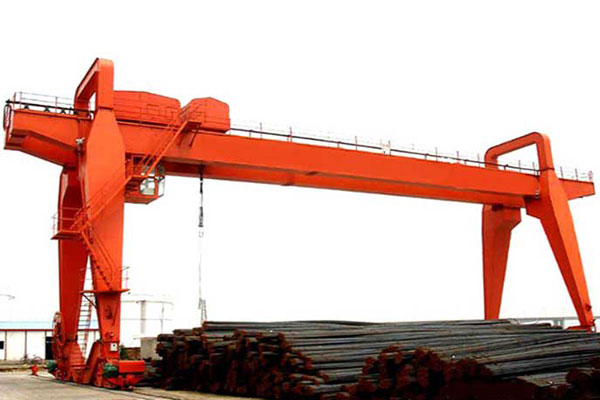
10 Ton 11.77M H-5M Gantry Crane with Electric Wire Rope Hoist for sale to Kenya
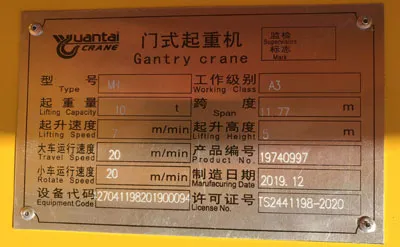
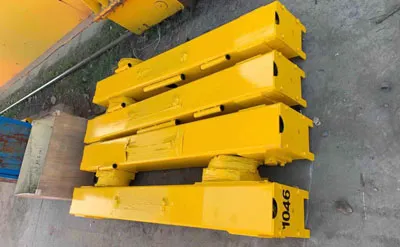
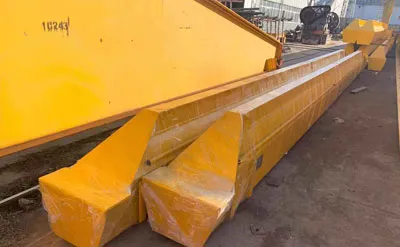
Lifting Capacity: 10 ton
Span: 11.77 m
Lifting Height: 5 m
Working Class: A3
Note: We can design and manufacture the crane according your requirments and working conditions.
10 Ton 11.77M H-5M Gantry Crane with Electric Wire Rope Hoist for sale to Kenya:
A growing construction materials supplier in Kenya contacted us during the expansion of its precast yard on the outskirts of Nairobi. The company produces concrete pipes, small bridge components, and foundation blocks for regional infrastructure projects. As order volumes increased, their reliance on wheel loaders and hired mobile cranes began to slow down daily operations, particularly during peak delivery periods.
After reviewing their yard layout and production cycle, the client decided to install a 10 ton gantry crane to stabilize material handling and reduce operational delays.
Understanding the Customer’s Workflow
The facility in Kenya operates in a straightforward but high-frequency cycle. Raw materials are cast into molds, cured in designated areas, and then transferred to storage before shipment. The main challenge was the short lifting height requirement combined with a relatively wide working area.
The selected MH type 10 ton gantry crane, with an 11.77-meter span and 5-meter lifting height, was designed to match this workflow precisely. In practice, the crane covers two casting lines and a central storage lane, allowing continuous movement of products without interference.
During operation:
- Freshly cast components are lifted from molds after curing
- Products are moved to temporary storage zones
- Finished items are loaded onto trucks for delivery
The moderate lifting speed of 7 m/min ensures controlled handling, while the 20 m/min travel speed improves turnaround time across the yard. For a busy site in Kenya, this balance between speed and stability is essential.
Configuration and Technical Advantages
- Type: MH
- Lifting Capacity: 10 Ton
- Lifting Height: 5 M
- Span: 11.77 M
- Working Class: A3
- Power Supply: 415V50HZ3P
- Lifting speed: 7 m/min
- Travel speed: 20 m/min
- Rotate speed: 20 m/min
- Нoist: MD Electric Wire Rope Hoist
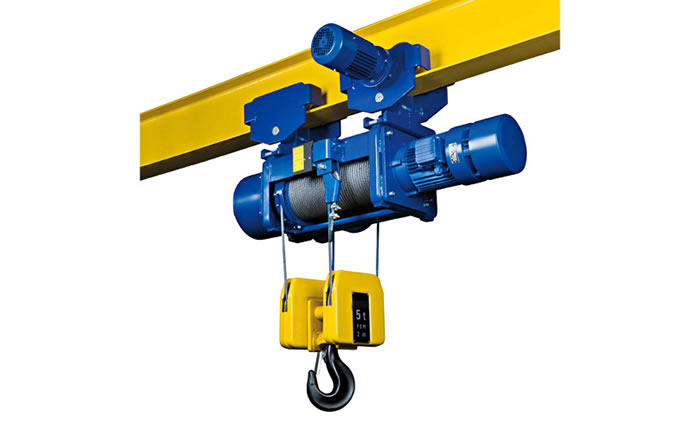
The 10 ton gantry crane was equipped with an MD electric wire rope hoist, which provides dual-speed lifting. This feature allows operators to switch between faster lifting for general handling and slower speed for precise positioning.
The A3 working class was selected based on actual usage patterns. In this case, the crane is used frequently but not under extreme load conditions, making this classification both economical and practical.
Another advantage of the 10 ton gantry crane is its adaptability to outdoor environments. The structure is designed to withstand dust and variable weather conditions commonly experienced in Kenya. The 415V 50Hz 3-phase power supply matches local standards, ensuring stable operation without additional electrical modification.
From a structural perspective, the gantry design eliminates the need for building support, which allowed the client to deploy the system directly in the open yard.
Communication and Project Coordination
The client in Kenya initially had limited experience with rail-mounted equipment, so much of the communication focused on practical implementation rather than just specifications. We reviewed their yard layout in detail and proposed minor adjustments to rail positioning to improve coverage.
One key discussion involved lifting height. Although 5 meters may seem limited, it was sufficient for their stacking method and helped reduce overall equipment cost. This kind of adjustment ensured the 10 ton gantry crane was optimized for real use rather than overdesigned.
We also provided clear guidance on foundation preparation, rail alignment, and electrical setup to ensure smooth installation.
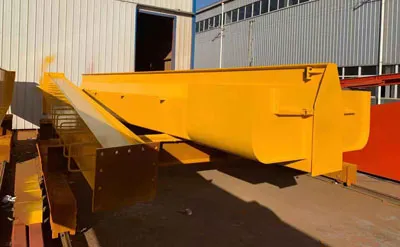
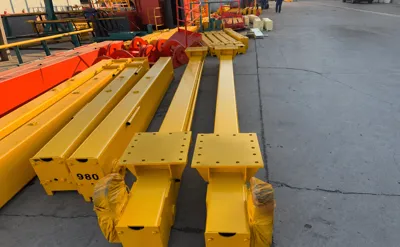
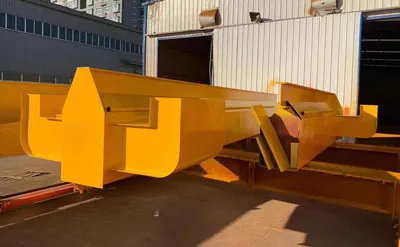
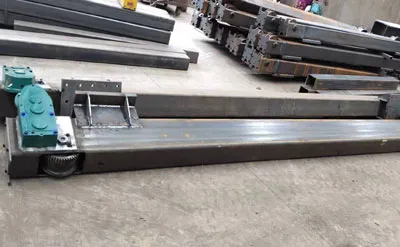
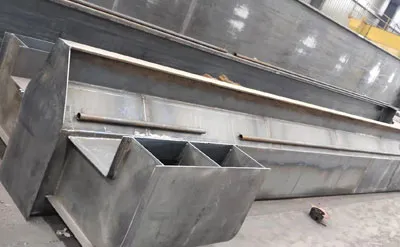
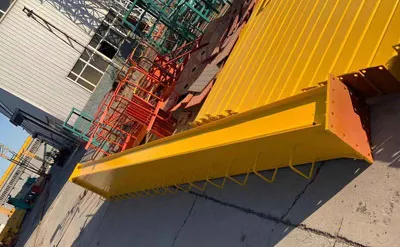
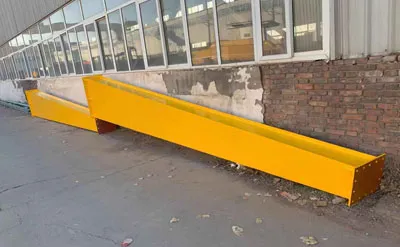
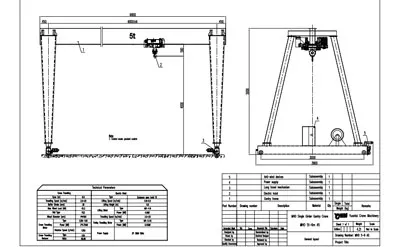
Production of 10 Ton Gantry Crane:
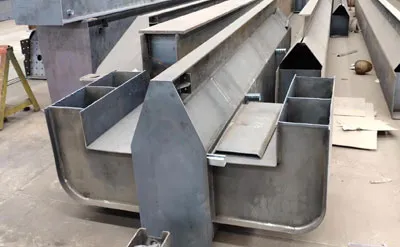
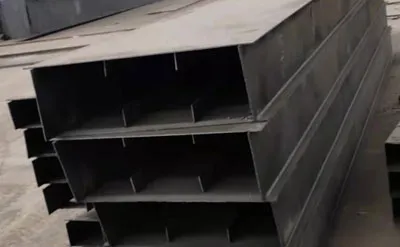
Packaging, Shipping, and Delivery
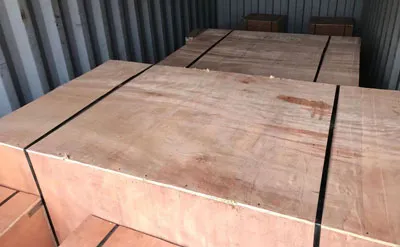
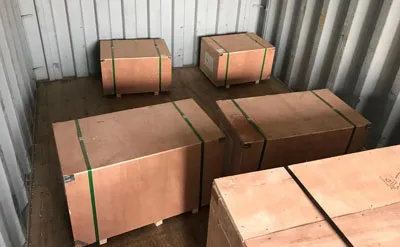
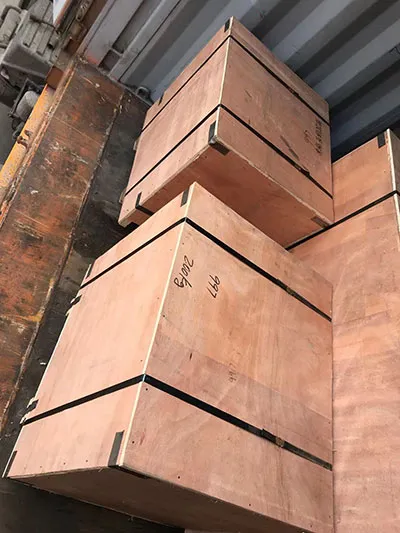
For transport to Kenya, the 10 ton gantry crane was divided into modular sections. Steel structures were securely bundled, while the hoist and electrical components were packed in protective wooden crates with moisture-resistant treatment.
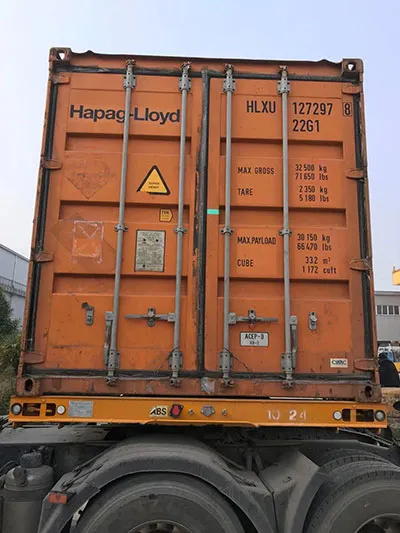
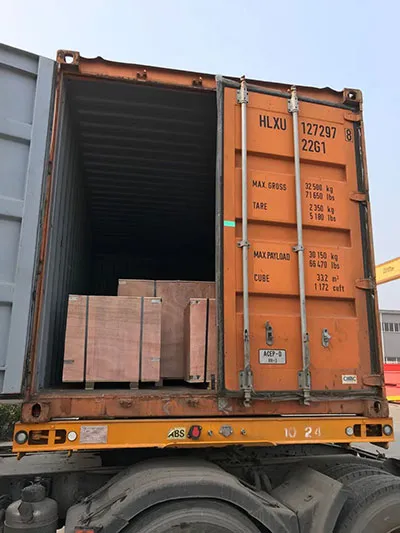
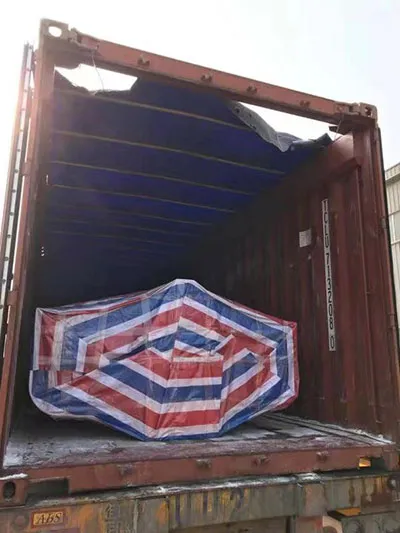
Shipping was arranged via sea freight to Mombasa Port. Given the inland transport distance, packaging strength was reinforced to prevent damage during handling. All components were labeled clearly, allowing the client’s team in Kenya to organize unloading efficiently.
Packaging of 10 Ton Gantry Crane:


Shipping of 10 Ton Gantry Crane:
Client Feedback and Operational Results
Within the first month of operation, the client in Kenya reported noticeable improvements in workflow. Material handling became more predictable, and reliance on external lifting equipment was significantly reduced.
Operators appreciated the dual-speed hoist, which made it easier to handle both routine and precise lifting tasks. The 10 ton gantry crane also helped improve yard organization by enabling more structured movement of products.
How a 10 Ton Gantry Crane Supports Construction Material Handling in Kenya?
Rapidly developing construction sector, efficient material handling has become a key factor in meeting project timelines. Many contractors and precast yards deal with medium-weight components such as concrete beams, drainage pipes, and foundation blocks. In this context, a 10 ton gantry crane provides a practical and scalable solution for outdoor lifting.
Unlike mobile cranes, which are often hired on demand, a gantry crane offers continuous availability. This is particularly valuable in Kenya, where project schedules can be affected by logistics delays and equipment shortages. With a fixed rail-mounted system, operators can move materials between casting areas, curing zones, and storage spaces without waiting for external resources.
Another advantage is its adaptability to open environments. Construction yards in Kenya are often exposed to dust, uneven ground, and changing weather conditions. A properly designed 10 ton gantry crane maintains stable operation under these circumstances, ensuring consistent performance throughout the day.
From a workflow perspective, the crane helps standardize operations. Instead of relying on manual coordination, a 10 ton gantry crane allows a single operator to control lifting tasks, improving both safety and efficiency. This structured approach reduces handling time and minimizes the risk of damage to materials.
Why a 10 Ton Gantry Crane Is Ideal for Small and Medium Industrial Yards in Kenya?
Small and medium-sized industrial yards in Kenya often face limitations in infrastructure and budget. Many facilities operate without permanent buildings or with minimal structural support, making overhead cranes difficult to install. In such cases, a 10 ton gantry crane becomes an ideal alternative.
The key advantage lies in its independence from building structures. A gantry crane runs on ground-level rails, allowing it to be installed in open yards without major construction work. This reduces initial investment and shortens project timelines, which is important for businesses in Kenya aiming to expand quickly.
In practical applications, these cranes are used to handle steel sections, machinery parts, and fabricated components. The 10 ton gantry crane provides sufficient capacity for most medium-duty tasks while remaining easy to operate and maintain.
Another important factor is flexibility. As businesses grow, yard layouts often change. A gantry crane can adapt to these changes by extending rail length or adjusting operational zones, making it a long-term solution rather than a fixed limitation.
For companies seeking a balance between performance and affordability, the 10 ton gantry crane offers a reliable option that aligns with local industrial conditions.
What Are the Key Technical Considerations When Installing a 10 Ton Gantry Crane in Kenya?
Installing a 10 ton gantry crane requires attention to both technical details and site conditions. Unlike controlled indoor environments, outdoor installations must account for ground stability, weather exposure, and power supply reliability.
One of the first considerations is rail foundation. The performance of a gantry crane depends heavily on proper alignment and support of the rails. In Kenya, where soil conditions can vary, ensuring a stable base is essential for long-term operation.
Power supply is another important factor. Industrial facilities in Kenya may experience voltage fluctuations, so selecting a 10 ton gantry crane with appropriate electrical protection helps maintain consistent performance.
Load characteristics should also be evaluated. A 10 ton gantry crane is designed for medium-weight loads, but the shape and distribution of those loads can affect handling. Proper lifting accessories and operator training are necessary to ensure safe operation.
Finally, maintenance planning should not be overlooked. Choosing a gantry crane with a simple and robust design makes it easier to perform routine checks and repairs, even in areas where technical support is limited.
How a 10 Ton Gantry Crane Improves Workflow Efficiency in Kenya’s Manufacturing Sector?
Manufacturing facilities in Kenya are increasingly focused on improving efficiency to remain competitive. In many workshops, material handling is still a time-consuming process, often relying on forklifts or manual labor. Introducing a 10 ton gantry crane can significantly streamline these operations.
In a typical workflow, raw materials are received, processed, and then transferred to storage or assembly areas. A gantry crane enables smooth movement between these stages, reducing delays and improving coordination.
One practical benefit is consistency. With a dedicated lifting system, operators can perform tasks in a predictable manner. A 10 ton gantry crane reduces variability in handling time, which helps maintain steady production output.
Space utilization also improves. By operating overhead, the gantry crane frees up ground space for equipment and storage. This is particularly valuable in Kenyan workshops where space is often limited.
In addition, the crane enhances safety by minimizing manual lifting and reducing the risk of accidents. Over time, these improvements contribute to higher productivity and lower operational costs, making the 10 ton gantry crane a valuable asset in manufacturing sector.
What Maintenance Practices Ensure Long-Term Performance of a 10 Ton Gantry Crane in Kenya?
Maintaining a 10 ton gantry crane requires a practical approach that considers local environmental and operational conditions. Regular maintenance is essential to ensure reliable performance and extend the lifespan of the equipment.
Routine inspections typically focus on critical components such as wire ropes, wheels, and electrical systems. A gantry crane operating in outdoor conditions is exposed to dust and weather, so cleaning and lubrication are important to prevent wear.
Another key aspect is monitoring rail alignment. Over time, ground movement or heavy use can affect the stability of the rails. Ensuring that the 10 ton gantry crane travels smoothly helps avoid unnecessary stress on structural components.
Operator training also plays a significant role. Proper use of the gantry crane reduces mechanical strain and prevents misuse, which can lead to premature failure.
In Kenya, where access to spare parts and technical services may vary, keeping essential components on hand is a practical strategy. This reduces downtime and ensures that the 10 ton gantry crane can continue operating without major interruptions.
Previous:10 Ton 6M H-8M Mobile Portable Gantry Crane with Electric Chain Hoist for Sale to Nigeria
Next: Sorry no more