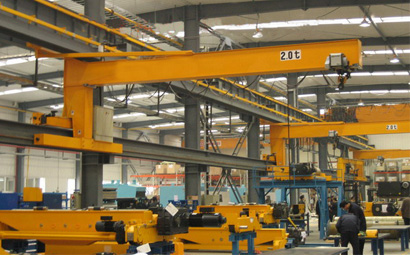
2 Ton Jib Crane
Price of 2 Ton 6 M H-5M Pillar-mounted Jib Crane with Electric Chain Hoist for Sale to Philippines
Lifting Capacity: 2 ton
Span: 6 m
Lifting Height: 5 m
Working Class: A3
Note: We can design and manufacture the crane according your requirments and working conditions.
Price of 2 Ton 6 M H-5M Pillar-mounted Jib Crane with Electric Chain Hoist for Sale to Philippines:
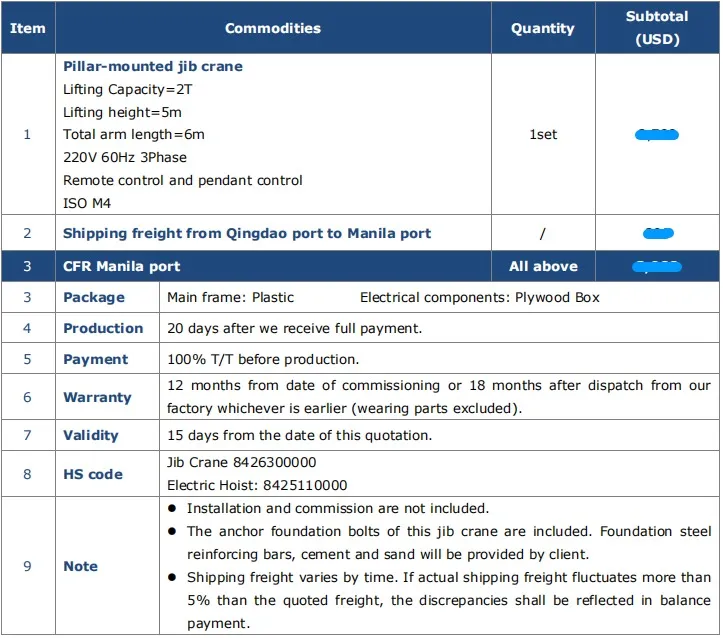
Technical Specifications of 2 Ton Pillar-mounted Jib Crane with Electric Chain Hoist for Sale to Philippines:
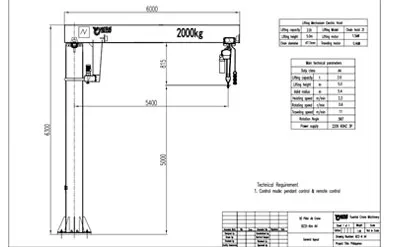
| Item | Jib Crane | ||
| Lifting capacity | t | 2 | |
| Lifting height | m | 5 | |
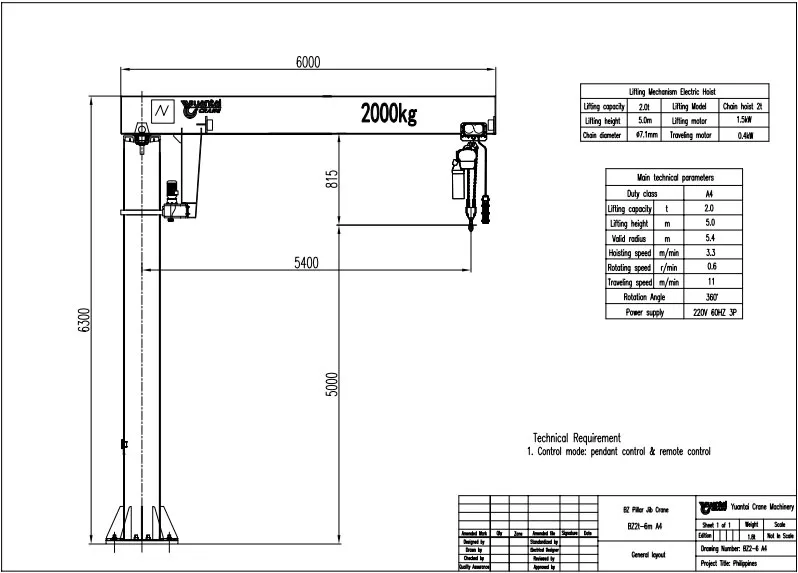
| Total height | 6.3 | ||
| Total arm length | 6 | ||
| Valid radius | 5.4 | ||
| Rotation angle | ° | 180 | |
| Speed | Slewing speed | r/min | 0.6 |
| Hoist traveling speed | m/min | 11 | |
| Lifting speed | 3.3 | ||
| Working class | / | M4 | |
| Power supply | V/Hz/P | 220/60/3 | |
| Total weight | kg | 1800 | |
| Protection class | / | IP 54 | |
| Insulation class | / | F | |
| Working temperature | / | -10℃ ~ +40℃ | |
2 Ton 6 M H-5M Pillar-mounted Jib Crane with Electric Chain Hoist for Sale to Philippines:
A medium-sized fabrication workshop in the Philippines was expanding its production line for steel components used in infrastructure projects. The customer needed a compact yet powerful lifting solution that could handle frequent material handling within a limited workspace. After technical discussions, they selected our 2 ton jib crane with a pillar-mounted structure and electric chain hoist.
The project required a lifting capacity of 2 tons, a lifting height of 5 meters, and smooth 180° rotation to cover multiple workstations. Our 2 ton jib crane featured a total arm length of 6 meters, a valid working radius of 5.4 meters, and a total height of 6.3 meters, perfectly matching the site layout in the Philippines plant. The slewing speed of 0.6 r/min ensured safe and precise positioning, while the hoist traveling speed of 11 m/min and lifting speed of 3.3 m/min significantly improved handling efficiency.
During installation in the Philippines, the pillar-mounted jib crane was anchored to a reinforced concrete foundation, allowing stable operation without interfering with existing structures. The electric chain hoist provided reliable vertical lifting with low maintenance requirements, which was a key concern for the customer.
After commissioning, the customer reported a clear improvement in workflow. The 2 ton jib crane reduced manual handling, shortened loading cycles, and enhanced workplace safety. It quickly became a core piece of equipment in their daily operations. This successful delivery further strengthened our presence in the Philippines market and demonstrated how a well-designed 2 ton jib crane can offer high performance and cost efficiency for industrial users in the Philippines.
Details Configuration of 2 Pillar-mounted Ton Jib Crane with Electric Chain Hoist for Sale to Philippines:
| Stand column | 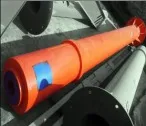 |
Q235B carbon structural steel |
| Jib | 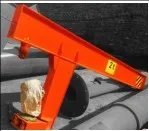 |
Q235B carbon structural steel |
| Lifting hoist | 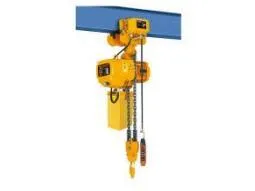 |
Electric chain hoist with motorized trolley Protection class IP54 |
| Hook | 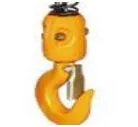 |
It is hot forging with perfect strength that is hard to break. The operation safety of the lower hook is ensured by its 360 degrees rotation and safety flap |
| Motor | 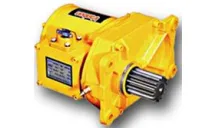 |
Special designed for the electric chain hoist. Maintenance free. Insulation grade F. Protection class IP54. Side magnetic braking system inside |
| Trolley | 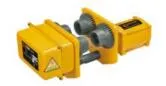 |
High strength low alloy steel structure, with electric motor and high-wearing feature wheels, compact and easy to install |
| Chain |  |
The chain shall adopt the imported ultra-heat treatable aluminum alloy chain. |
| Overload Limit switches | 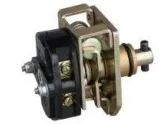 |
The limit switch device is installed where the weight is lifted on and off to make the motor to stop automatically so as to prohibit the chains from exceeding for safety |
| Electrics | 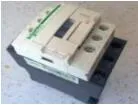 |
CHINT brand, China famous brand |
| Control method | 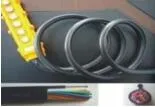 |
Master Controller with waterproof Push Button for UP, DOWN, Forward, Reverse, start& Emergency Stop. It is light and durable. |
| Anchor Bolt fixed foundation | 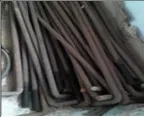 |
Special high strength bolts |
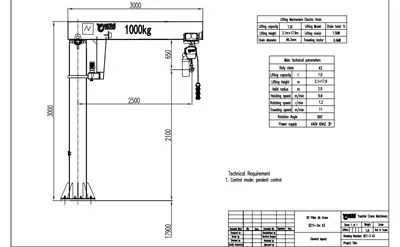
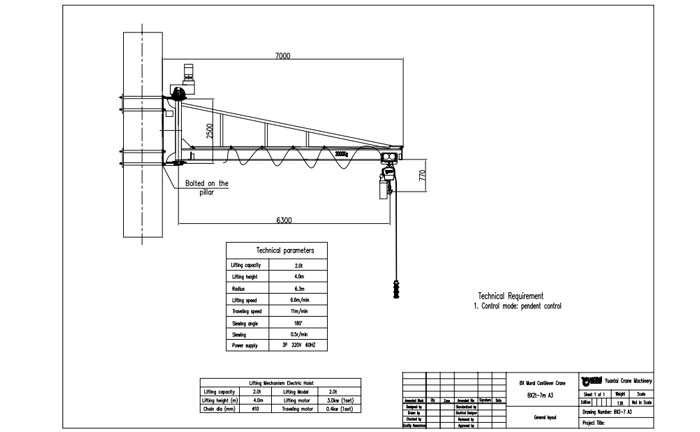
Technical Drawing of 2 Ton Pillar-mounted Jib Crane with Electric Chain Hoist for Sale to Philippines:
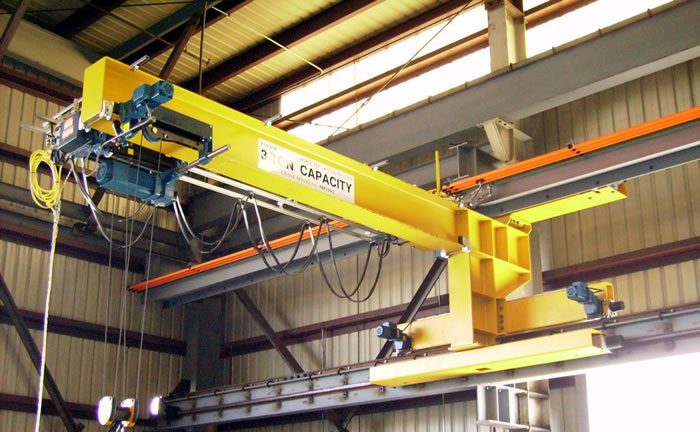
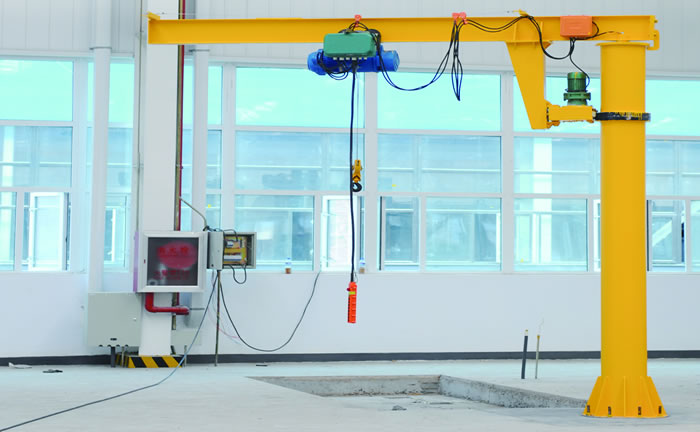
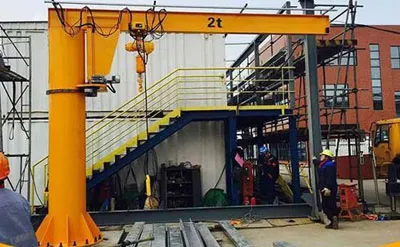
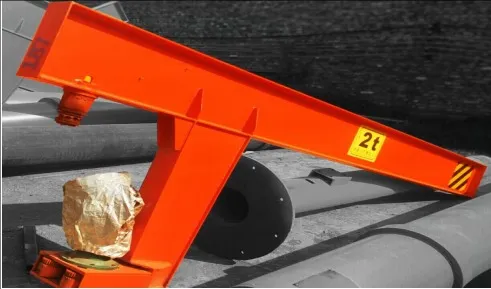
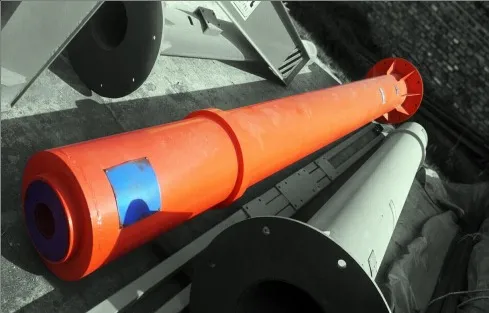
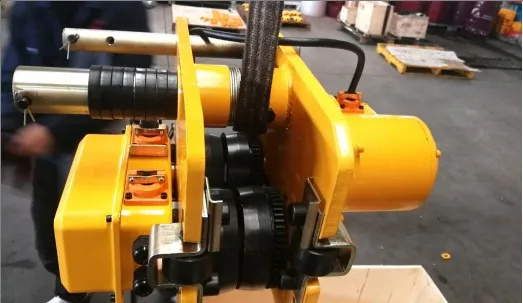
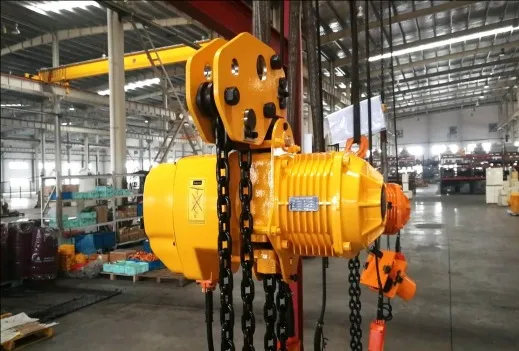
Images of Jib Crane with Electric Chain Hoist for Reference:
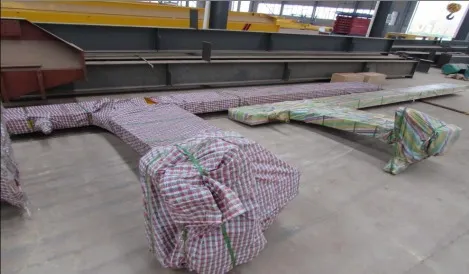
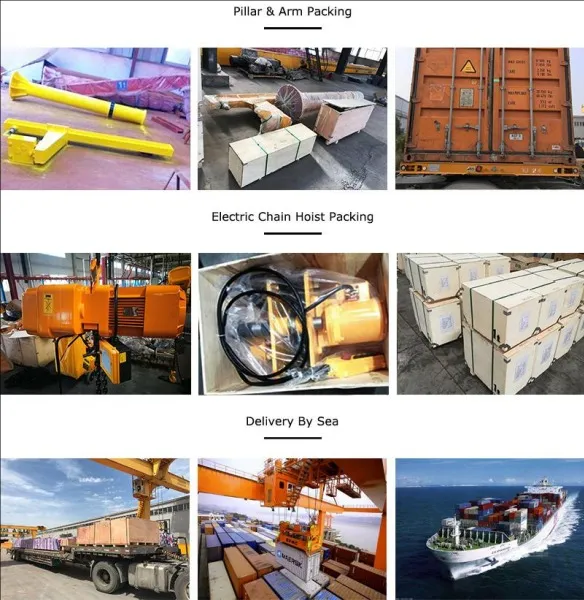
Packing of 2 Ton Jib Crane with Electric Chain Hoist:
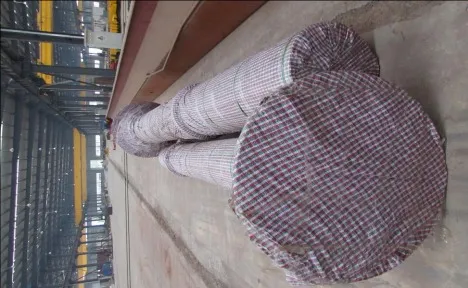
Customized 2 Ton Pillar-Mounted Jib Crane Solutions: Key Specifications
A customized 2 ton jib crane is widely used in workshops, warehouses, and production lines where precise lifting and localized material handling are required. Correctly specifying arm length, lifting height, and foundation requirements ensures safety, efficiency, and long service life.
Arm Length (Working Radius)
The jib arm length determines the crane’s coverage area. Typical ranges are 3–6 meters, selected based on workstation layout and load travel needs. For a 2 ton jib crane, longer arms increase bending moments on the pillar, so arm length must be balanced with load frequency and duty class to avoid excessive stress.
Lifting Height
Lifting height is measured from the floor to the hook’s highest position. It should account for load height, lifting accessories, and headroom. When designing a 2 ton jib crane, sufficient clearance above the arm and hoist is essential to maintain smooth operation and avoid structural interference.
Foundation Requirements
A pillar-mounted crane transfers all loads directly to the foundation. The concrete base must resist vertical loads, overturning moments, and dynamic forces. For a 2 ton jib crane, foundation size depends on arm length, column height, and soil bearing capacity. Anchor bolts, reinforcement layout, and concrete grade should be verified by structural calculations.
How to Maintain Your 2 Ton Pillar-Mounted Jib Crane for Long-Lasting Performance and Safety:
Proper maintenance is essential to ensure the reliability, safety, and service life of a 2 ton jib crane. Regular inspection and preventive care reduce downtime and help avoid costly failures in daily lifting operations.
- Routine Inspections: Daily visual checks should cover the jib arm, column, hoist, wire rope or chain, and electrical components. For a 2 ton jib crane, pay close attention to abnormal noises, loose bolts, or visible deformation. Monthly inspections should verify fasteners, slewing bearings, and limit switches.
- Lubrication and Mechanical Care: All rotating parts, including bearings and slewing mechanisms, must be lubricated according to the manufacturer’s schedule. Proper lubrication minimizes friction and wear, which is critical for a 2 ton jib crane operating under frequent load cycles.
- Electrical and Hoist Maintenance: Inspect control panels, pendant controls, and cables for wear or damage. The hoist brake and overload protection should be tested regularly to ensure safe lifting. Reliable hoist performance is a key safety factor for any 2 ton jib crane.
- Foundation and Structural Checks: Periodically inspect the concrete foundation and anchor bolts for cracks or loosening. A stable foundation ensures the structural integrity of the 2 ton jib crane and prevents long-term alignment issues.
Preparing Your Concrete Foundation for a 2 Ton Pillar-mounted Jib Crane:
A properly designed foundation is critical to the safe operation of a 2 ton jib crane. Because this type of crane transfers both vertical loads and high overturning moments into the floor, the concrete base must be engineered to handle dynamic lifting forces, not just static weight. Slab thickness, concrete strength, and reinforcement all play a role in long-term performance.
For a pillar-mounted system, the foundation should typically be an isolated footing poured separately from the surrounding slab. This prevents cracking and load transfer issues when the 2 ton jib crane is in operation. Most installations require reinforced concrete with adequate compressive strength, along with rebar cages designed to resist bending and shear forces.
Anchor bolts must be precisely positioned and embedded to the specified depth to ensure column stability. Before installation, verify soil bearing capacity and consult manufacturer guidelines or a structural engineer. Investing in proper foundation preparation ensures your 2 ton jib crane operates safely, efficiently, and with minimal maintenance over its service life.
Can You Install a 2 Ton Pillar-mounted Jib Crane Outdoors: Weather, Corrosion, and Wind Load Considerations
2 ton jib crane can be installed outdoors, but the design and site conditions must be carefully evaluated. Outdoor environments introduce additional stresses that do not exist in indoor applications, including weather exposure, corrosion risk, and wind loading. Addressing these factors is essential for safe and reliable operation.
Weather protection is a primary concern for a 2 ton jib crane used outdoors. Rain, snow, temperature swings, and UV exposure can accelerate wear on structural steel and mechanical components. Protective coatings such as hot-dip galvanizing or marine-grade paint systems are commonly used to extend service life. Electrical components should be rated for outdoor use and properly sealed.
Corrosion control is especially important in coastal or industrial environments. Without proper surface treatment and routine inspection, corrosion can reduce the load-bearing capacity of a 2 ton jib crane over time. Regular maintenance schedules should include inspections for rust, coating damage, and fastener integrity.
Wind load must also be considered during design and installation. A freestanding 2 ton jib crane experiences lateral forces when the boom is unloaded or parked. Foundations, anchor bolts, and column sizing must account for local wind codes and worst-case loading scenarios. When properly engineered, an outdoor 2 ton jib crane can operate safely and efficiently for many years.
Shipping of 2 Ton Jib Crane with Electric Chain Hoist:
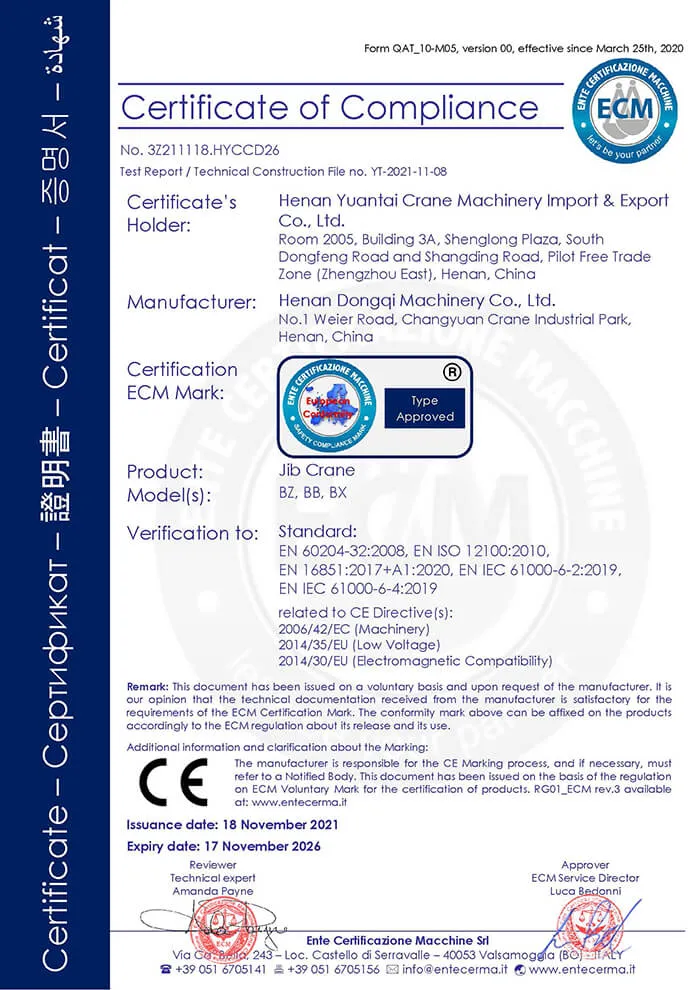
Certificates of Jib Crane:

Application of 2 Ton Pillar-mounted Jib Crane in Philippines:
- Supporting SME-Driven Growth: The Philippines economy is largely driven by small and medium-sized manufacturing, logistics, and repair enterprises. A 2 ton pillar mounted jib crane offers an affordable lifting solution that fits the capital constraints of SMEs while improving productivity.
- Ideal for Manufacturing and Fabrication Workshops: In the Philippines, metal fabrication, automotive assembly, and equipment maintenance workshops benefit from the compact footprint of a 2 ton jib crane, which enables efficient material handling without requiring expensive building modifications.
- Boosting Port, Warehouse, and Logistics Efficiency: With the Philippines acting as a regional logistics hub, warehouses and distribution centers use 2 ton jib crane systems to handle pallets, machine parts, and cargo safely, reducing labor intensity and operational costs.
- Adapted to Labor-Intensive Industries: The Philippines still relies heavily on manual labor. A 2 ton jib crane reduces worker fatigue and injury risk while maintaining employment efficiency, aligning with local labor cost structures.
- Cost-Effective Infrastructure Investment: Compared with overhead cranes, a 2 ton jib crane requires lower installation and maintenance costs, making it attractive for factories and service facilities across the Philippines seeking fast ROI.
- Flexible for Industrial Expansion: As industrial zones expand in the Philippines, pillar-mounted designs allow 2 ton jib crane systems to be easily added or relocated, supporting scalable growth.