Single Girder Overhead Crane
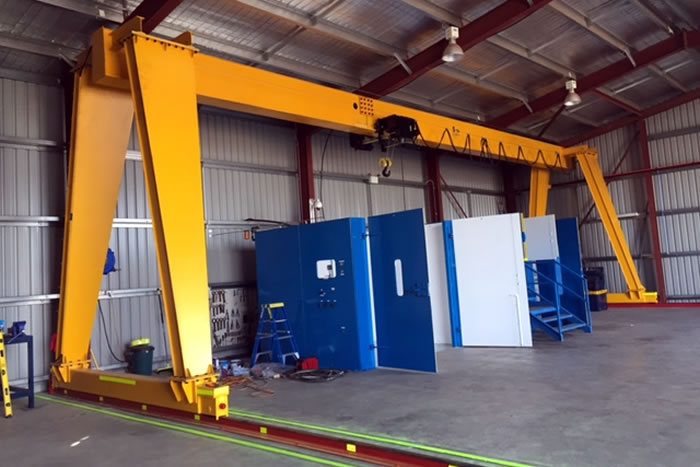
6.3 Ton 20M H-5.5M Single Girder Overhead Crane with European Style Electric Wire Rope Hoist for Sale to Australia
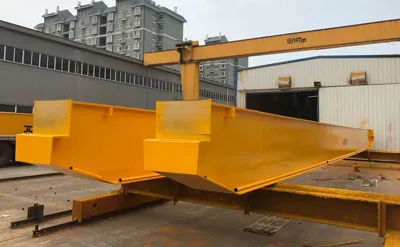
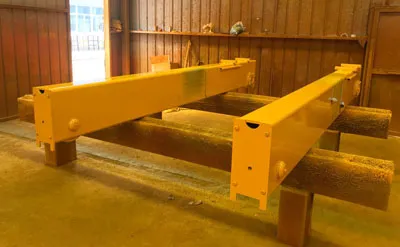
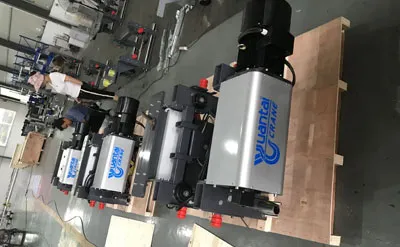
Lifting Capacity: 6.3 ton
Span: 20 m
Lifting Height: 5.5 m
Working Class:
Note: We can design and manufacture the crane according your requirments and working conditions.
6.3 Ton 20M H-5.5M Single Girder Overhead Crane with European Style Electric Wire Rope Hoist for Sale to Australia:
This project involved the supply of a 6.3 ton single girder overhead crane to a mid-sized manufacturing company in Australia specializing in steel structure fabrication. The client required a reliable lifting solution to handle medium-weight components across a 20-meter workshop span while maintaining precise positioning during assembly.
During the initial inquiry stage, the Australian client shared detailed drawings of their workshop layout, including column spacing, roof height, and daily lifting tasks. Based on these conditions, we recommended a 6.3 ton overhead crane with a 20 m span and 5.5 m lifting height, equipped with a European style electric wire rope hoist.
- Model: HD
- Lifting capacity 6.3 Ton
- Lifting height 5.5 M
- Span 20 M
- Power supply 415V50HZ3P
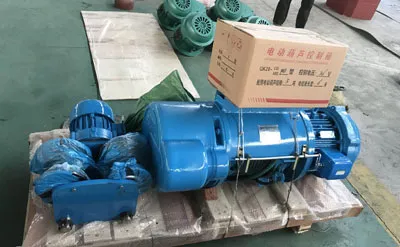
- Hoist Style: European Style Electric Wire Rope Hoist
One key technical advantage of this project was the adoption of the European-style hoist design. Compared to traditional systems, the compact structure allowed for better hook approach distance, effectively increasing usable lifting space within the workshop. The 6.3 ton overhead crane also featured a lightweight main beam design, reducing wheel load and minimizing stress on the building structure.
Communication with the client was highly detailed and practical. The customer was particularly concerned about power compatibility and safety compliance in Australia, so we confirmed the 415V 50HZ 3-phase power supply and incorporated features such as overload protection, limit switches, and smooth frequency-controlled lifting. Throughout the process, we provided 3D layout drawings and installation guidance to ensure the single girder overhead crane would integrate seamlessly into their workflow.
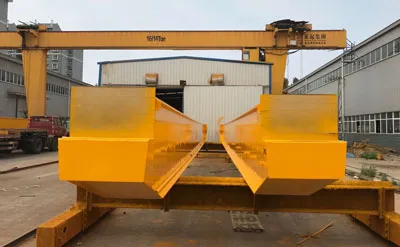
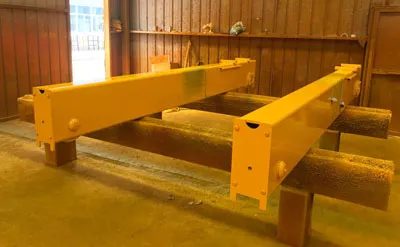
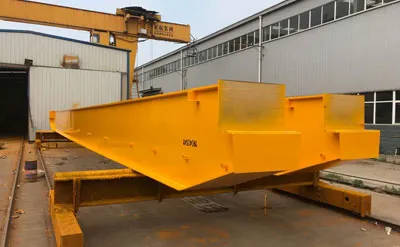
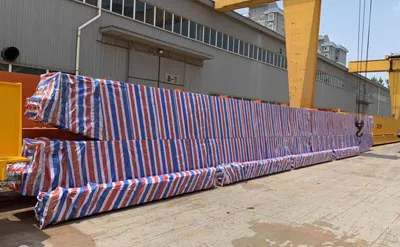
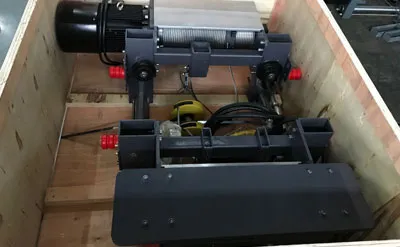
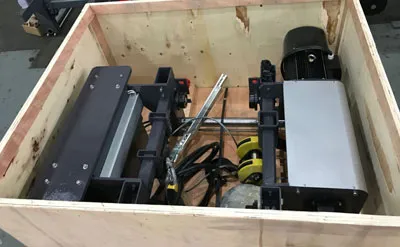
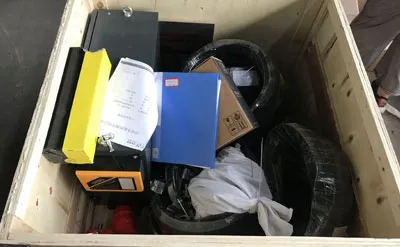
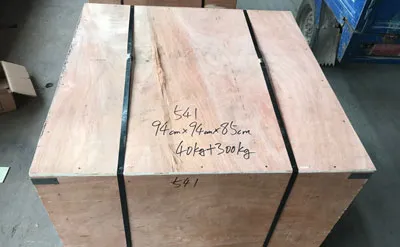
During production, regular updates including photos and videos were shared with the client. Before shipment, the crane underwent full load testing to verify performance and safety. The 6.3 ton overhead crane was then packaged carefully to prevent damage during long-distance transport.
After installation, feedback from the Australian customer indicated that the crane significantly improved material handling efficiency. The stable operation and precise control of the 6.3 ton single girder overhead crane allowed workers to handle steel components more safely and with less manual effort.
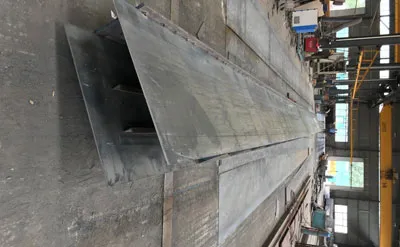
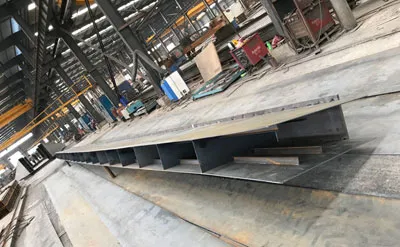
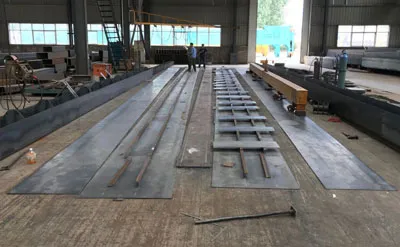
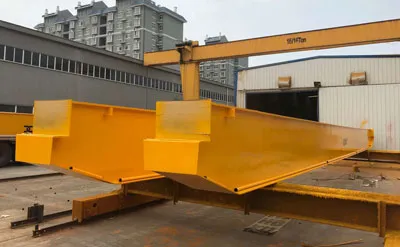
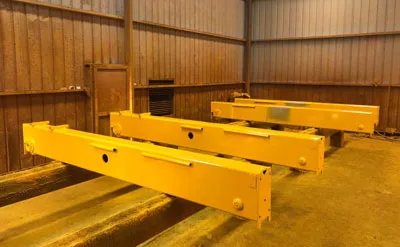
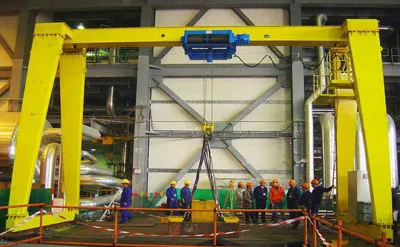
Production of 6.3 Ton Single Girder Overhead Crane:
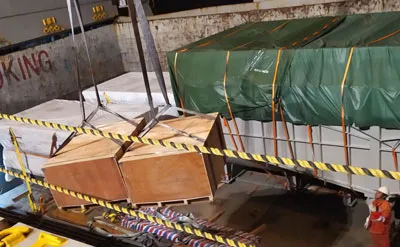
Packaging of 6.3 Ton Single Girder Overhead Crane:
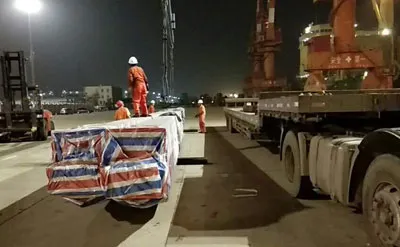
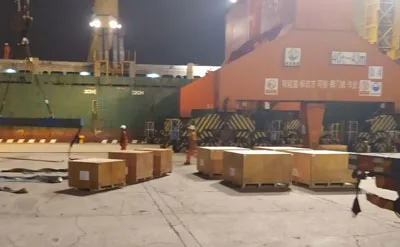
Shipping of 6.3 Ton Single Girder Overhead Crane:






Remote Area Operations: Servicing a 6.3 Ton Single Girder Overhead Crane in Outback Australia
Operating lifting equipment in remote regions presents unique challenges, especially in areas like Outback Australia where access to spare parts and technical support is limited. In such environments, maintaining a 6.3 ton single girder overhead crane requires a proactive and practical approach rather than relying on reactive repairs.
One key consideration is preventive maintenance. Operators should establish a strict inspection routine covering the wire rope hoist, braking system, and electrical controls. In remote sites, a 6.3 ton overhead crane must remain reliable over long periods without external servicing, so early detection of wear is critical. Components such as the load rope and limit switches should be checked frequently due to exposure to dust and temperature fluctuations.
Spare parts planning is equally important. Facilities in remote Australia typically keep essential items like contactors, brake pads, and lubrication materials on-site. This ensures that the single girder overhead crane can be quickly restored to operation without waiting for long-distance logistics.
Environmental conditions also affect performance. High temperatures and dust can accelerate component wear, so protective covers and regular cleaning are recommended. In practice, operators often adapt maintenance schedules based on actual site conditions rather than fixed intervals.
How to Calculate Span and Hoist Speed for a 6.3 Ton Single Girder Overhead Crane in Australia?
Correctly determining span and hoist speed is essential for efficient crane performance. When selecting a 6.3 ton overhead crane, these parameters must match the actual layout and workflow of the facility.
Span is defined as the distance between runway beams. In most industrial buildings, the span corresponds directly to the structural width. For a 6.3 ton single girder overhead crane, the goal is to cover the full working area while minimizing unnecessary structural load. Engineers typically review building drawings to confirm beam spacing and ensure the crane can travel smoothly across the entire workspace.
Hoist speed selection depends on operational requirements. In assembly or maintenance environments, slower lifting speeds provide better control and precision. A single girder overhead crane used for positioning equipment or components benefits from stable, gradual lifting rather than high speed. In contrast, logistics applications may require slightly faster speeds to improve throughput.
Another factor is duty cycle. Facilities with frequent lifting operations must ensure that the selected hoist speed does not compromise motor lifespan. A well-matched 6.3 ton overhead crane balances speed and durability, ensuring consistent performance over time.
Workshop vs Warehouse: Choosing a 6.3 Ton Single Girder Overhead Crane for Australian Sites
Selecting the right lifting solution depends heavily on whether the application is a workshop or a warehouse. A 6.3 ton overhead crane can serve both environments effectively, but configuration priorities differ.
In workshops, the focus is on precision and flexibility. Tasks such as welding, machining, and assembly require accurate positioning of components. A single girder overhead crane in this setting is typically configured with smooth travel and controlled lifting speeds, allowing operators to handle parts safely within confined spaces.
In warehouses, efficiency and coverage are more important. Material movement often involves loading, unloading, and storage operations. A 6.3 ton overhead crane used in storage facilities should provide consistent travel speed and wide coverage to support continuous handling tasks.
Space constraints also influence selection. Workshops may have lower ceilings or complex layouts, requiring compact designs. Warehouses, on the other hand, benefit from maximizing vertical lifting space. In both cases, the 6.3 ton overhead crane must adapt to the building structure without requiring major modifications.
Warehouse Efficiency: Fitting a 6.3 Ton Single Girder Overhead Crane into Existing Australian Buildings
Integrating lifting equipment into an existing structure requires careful planning. When installing a 6.3 ton overhead crane in an operational warehouse, the goal is to improve efficiency without disrupting ongoing activities.
The first step is evaluating the building structure. Engineers must confirm that the existing beams can support the crane load. A 6.3 ton single girder overhead crane is often preferred in retrofit projects because of its lighter structure and lower wheel pressure, reducing the need for reinforcement.
Layout optimization is another key factor. The crane should cover high-traffic zones such as loading areas and storage racks. In practice, a 6.3 ton overhead crane is positioned to streamline material flow, minimizing unnecessary movement and handling time.
Installation planning must also consider downtime. Many facilities schedule installation during off-hours to avoid interrupting operations. A modular design allows the single girder overhead crane to be assembled efficiently within a limited timeframe.
Once installed, the system improves vertical handling capability, reduces reliance on forklifts, and enhances safety. Proper integration ensures that the crane becomes a seamless part of the warehouse workflow.
Annual Inspection Checklist for Your 6.3 Ton Single Girder Overhead Crane in Australia:
Annual inspection is essential to ensure safe and reliable operation of lifting equipment. A structured checklist helps maintain the performance of a 6.3 ton single girder overhead crane over time.
The inspection begins with mechanical components. The chain or wire rope, hook, and drum should be examined for wear or deformation. A 6.3 ton overhead crane operating regularly may experience gradual material fatigue, making early detection critical.
Electrical systems are equally important. Inspectors should check control panels, wiring, and limit switches to ensure proper function. A well-maintained 6.3 ton overhead crane depends on stable electrical performance for safe operation.
Braking systems must also be tested. Reliable stopping capability is essential when handling loads. Regular testing ensures that the single girder overhead crane can respond effectively during operation.
Finally, load testing and documentation complete the process. Recording inspection results helps track equipment condition and plan future maintenance. By following a detailed checklist, operators can extend the service life of the crane while maintaining compliance with safety requirements.
Application of 6.3 Ton Single Girder Overhead Crane in Australia:
The industrial landscape is shaped by high labor costs and strict operational standards, which push companies to adopt efficient lifting solutions. Under these conditions, the 6.3 ton overhead crane is widely used as a balanced option for medium-duty material handling, offering both cost control and reliable performance.
In metal processing and equipment manufacturing, production lines often involve moving semi-finished parts between cutting, welding, and assembly zones. A 6.3 ton overhead crane allows operators to handle steel sections and fabricated components with accuracy, reducing manual intervention.
In storage and distribution environments, overhead lifting systems play an important role in optimizing space. Instead of relying entirely on ground-based transport, facilities integrate a single girder overhead crane to manage vertical movement of goods. This approach is especially useful when dealing with irregular or bulky items that require stable lifting and precise placement.
From a business perspective, equipment selection often focuses on durability and long-term operating cost. The 6.3 ton single girder overhead crane meets these expectations through its simplified structure, stable running performance, and adaptability to existing building layouts.
Previous:6 Ton-5m and H-5m European Type Overhead Crane for Sale to United Arab Emirates
Next: Sorry no more