10 Ton Overhead Crane
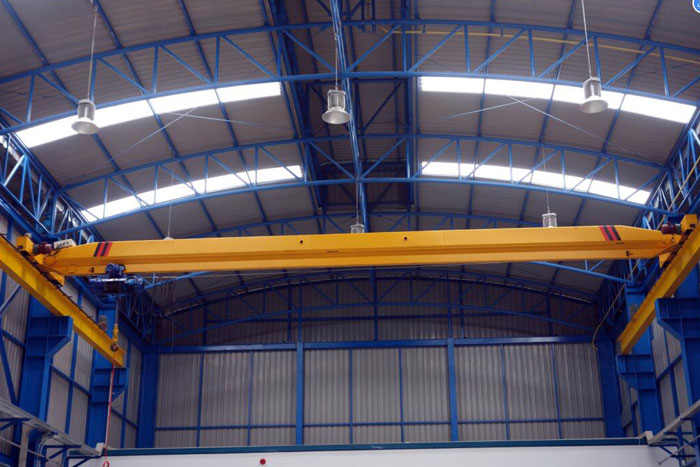
10 Ton 15M H-10M Single Girder Overhead Crane with Electric Wire Rope Hoist for Sale to Algeria
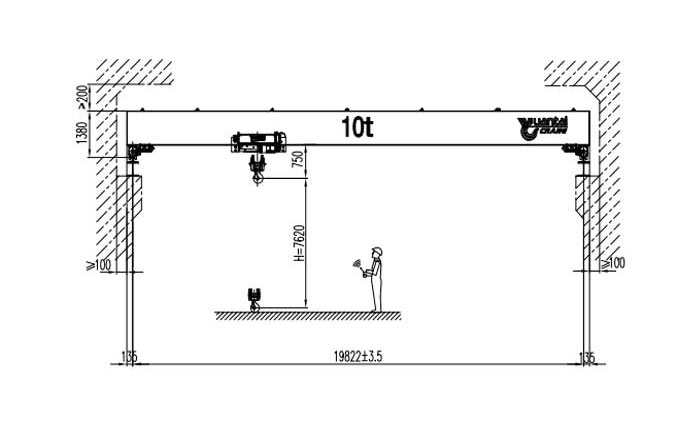
Lifting Capacity: 10 ton
Span: 15 m
Lifting Height: 10 m
Working Class: M4
Note: We can design and manufacture the crane according your requirments and working conditions.
10 Ton 15M H-10M Single Girder Overhead Crane with Electric Wire Rope Hoist for Sale to Algeria:
A mid-sized steel fabrication company in Algeria approached us with a clear operational challenge. Their workshop, located in an industrial zone outside Algiers, handles structural steel components for construction and energy projects. As orders increased, their existing lifting method—mainly forklifts and a small gantry—began to create bottlenecks, especially when moving long beams between cutting, welding, and assembly stations.
After several technical discussions, the client decided to invest in a 10 ton overhead crane to streamline internal handling. Their workshop layout featured a 15-meter bay width and moderate headroom, which made the LD model single girder crane a practical and cost-effective choice.
- Model: LD single girder overhead crane
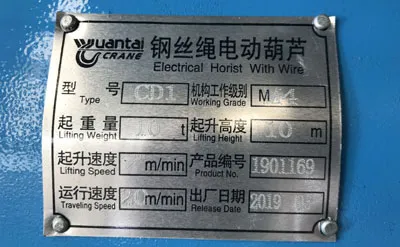
- Lifting Capacity: 10 ton
- Span: 15 M
- Lifting Height: 10 M
- Working Class: M4
- Hoist: CD Electric Wire Rope Hoist
- Lifting speed: 7 m/min
- Traveling speed: 20m/min
- Power supply: 380V50HZ3P
Matching Configuration to Real Workflow
The selected configuration was a 10 ton overhead crane with a 15-meter span and 10-meter lifting height, paired with a CD electric wire rope hoist. In practice, this setup aligned closely with their daily operations:
- Steel plates (3–8 tons) are unloaded near the entrance and transferred to cutting machines
- Semi-finished beams are moved to welding zones using the crane bridge
- Finished structures are lifted and staged for truck loading
The 7 m/min lifting speed ensures controlled handling during precise positioning, while the 20 m/min traveling speed improves overall cycle efficiency. For a facility like this in Algeria, where operator experience varies, this balance between speed and control is critical.
Technical Advantages in Local Conditions
One important factor in Algeria is power stability. The crane’s 380V 50Hz 3-phase system was adapted with electrical protection to handle voltage fluctuations, which are not uncommon in some industrial areas. The M4 working class also provides sufficient durability for moderate but frequent lifting cycles without over-investing in a heavier-duty system.
The CD wire rope hoist offers:
- Reliable performance for medium-duty applications
- Easier maintenance compared to more complex European hoists
- Strong adaptability to dusty workshop environments
Additionally, the single girder design reduces wheel load, which helped the client avoid reinforcing their existing runway beams—saving both time and cost.
Communication and Project Execution
From the beginning, the client focused heavily on installation feasibility. During video calls, we reviewed their workshop drawings and even discussed small but important details, such as hook approach limits and column spacing. In one case, a minor adjustment to the end carriage ensured smoother travel near a constrained bay area.
We also provided:
- Detailed foundation and runway beam recommendations
- Electrical layout diagrams tailored to their local standards
- Remote guidance for installation and commissioning
Packaging, Shipping, and Delivery
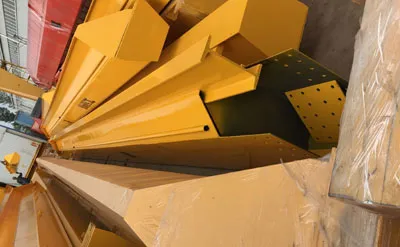
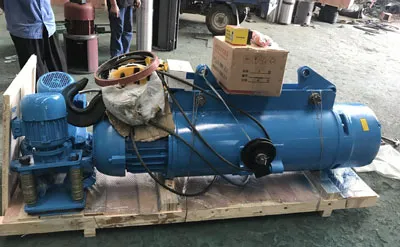
The 10 ton overhead crane components were packed in reinforced wooden crates, with special protection for the hoist and electrical system. Considering the long transit to Algeria, anti-corrosion measures were applied, including sealed wrapping for critical parts.
Shipping was arranged via sea freight to the Port of Algiers. The modular design allowed efficient container loading, reducing logistics costs. Upon arrival in Algeria, the client handled customs clearance smoothly with our documentation support.
Installation and Feedback
Installation was completed by the client’s local team with our remote assistance. Within a week, the 10 ton overhead crane was fully operational.
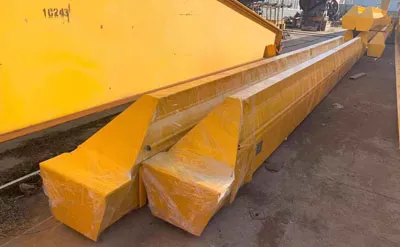
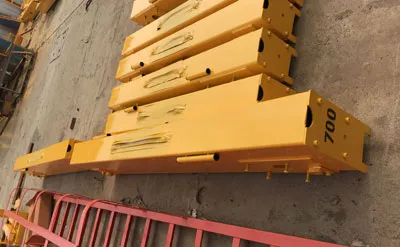
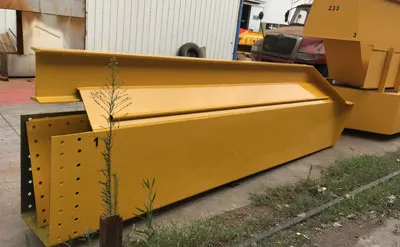
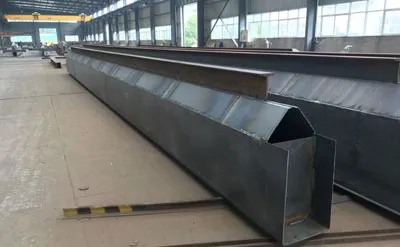
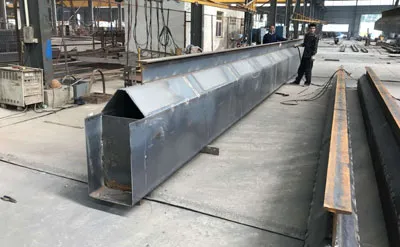
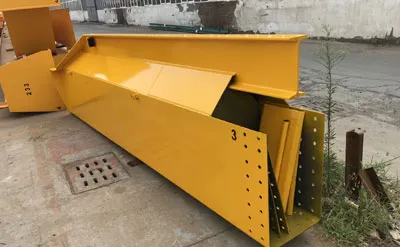
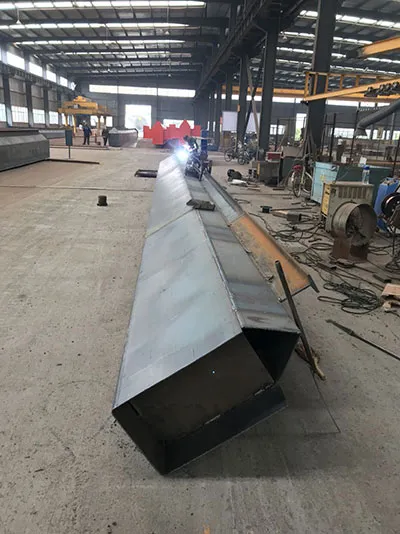
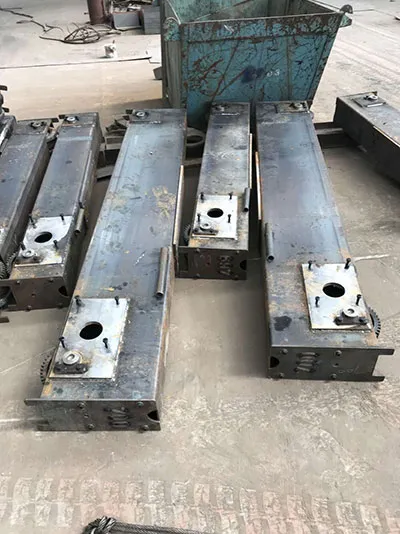
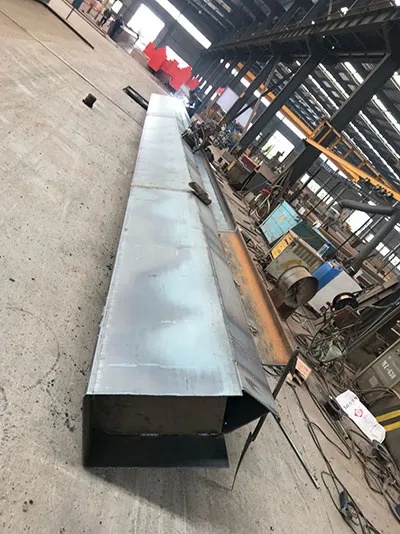
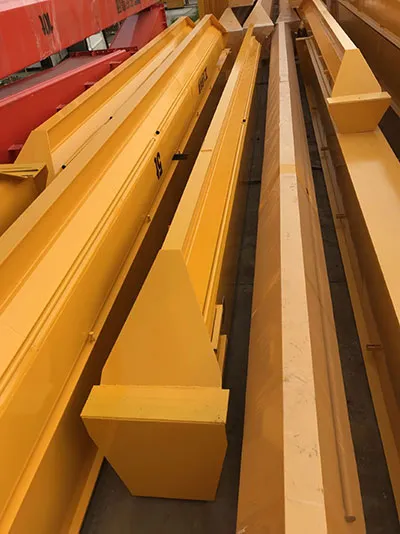
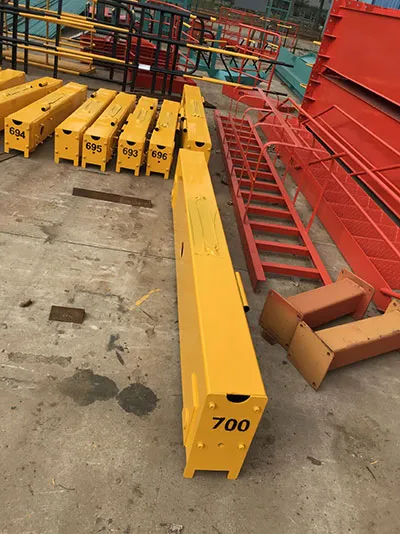
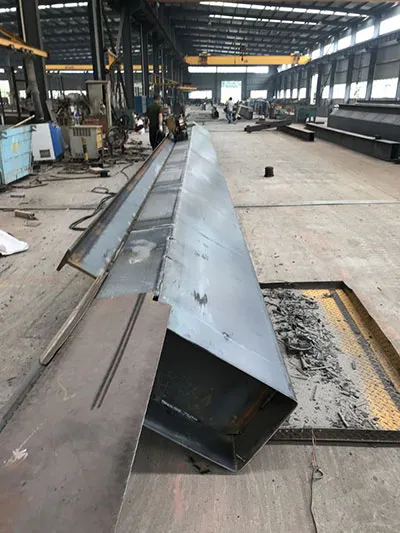
Production of 10 Ton Single Girder Overhead Crane:
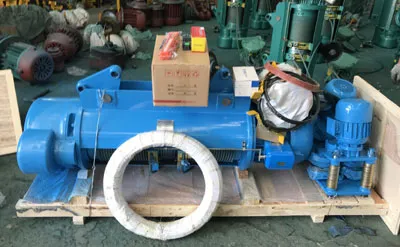
Package of 10 Ton Electric Wire Rope Hoist:
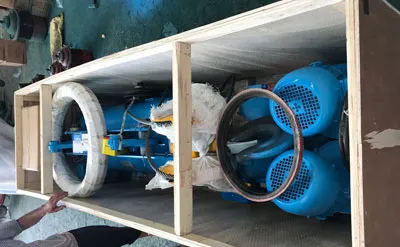
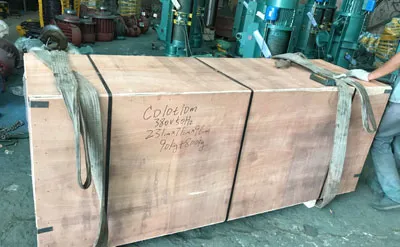
How to Choose the Right 10 Ton Overhead Crane for Industrial Projects in Algeria?
Selecting a 10 ton overhead crane in Algeria is rarely just about lifting capacity. In practice, local buyers focus on how the crane fits into real workshop conditions, including power supply stability, building structure, and operator skill level.
In many Algerian factories—especially in steel fabrication and equipment repair—the typical workflow involves moving medium-weight components between cutting, welding, and assembly zones. A properly configured 10 ton overhead crane helps reduce manual handling and improves production rhythm.
When choosing the right model, several factors matter:
- Span and lifting height must match the workshop layout to avoid dead zones
- Working class (M4 is common) ensures durability without unnecessary cost
- Hoist type, such as a wire rope hoist, offers better performance for frequent lifting
Another detail often overlooked is runway beam capacity. In older facilities across Algeria, reinforcing the structure can significantly increase project cost. This is why many buyers prefer single girder configurations for a 10 ton overhead crane, as they reduce overall load.
In short, the best solution is not the most advanced one, but the one that aligns with actual usage patterns. A well-matched overhead crane will improve efficiency while keeping investment under control.
What Are the Key Technical Specifications of a 10 Ton Overhead Crane in Algeria?
Understanding specifications is essential when evaluating a 10 ton overhead crane for use in Algeria. However, instead of focusing only on numbers, experienced buyers interpret specs based on real working conditions.
A typical configuration in Algeria includes:
- Lifting capacity: 10 tons for medium-duty material handling
- Span: usually between 10–20 meters depending on workshop width
- Lifting height: often 6–12 meters to suit building clearance
- Working duty: M3–M4 for regular industrial use
The lifting mechanism is another key point. A CD or similar wire rope hoist is commonly selected for a 10 ton overhead crane, mainly because it balances cost, reliability, and ease of maintenance.
Speed parameters also matter in daily operations:
- Moderate lifting speed ensures safe positioning
- Traveling speed improves workflow efficiency
In Algeria, where operator experience can vary, overly fast systems may actually reduce safety. That’s why a balanced-speed 10 ton overhead crane is often preferred over high-speed alternatives.
Ultimately, specifications should not be viewed in isolation. The right overhead crane is one where all parameters work together to support stable, efficient, and safe operations.
Why Is a 10 Ton Overhead Crane Ideal for Steel Fabrication Workshops in Algeria?
Steel fabrication is one of the most common applications for a 10 ton overhead crane in Algeria. These workshops typically handle beams, plates, and welded structures that require consistent and controlled lifting.
In a typical Algerian fabrication shop, the workflow includes:
- Receiving raw materials
- Cutting and drilling
- Welding and assembly
- Final inspection and loading
A 10 ton overhead crane integrates directly into this process by enabling smooth movement between each stage. Without it, operations often rely on forklifts or manual handling, which can slow production and increase risk.
One advantage of using a overhead crane is improved workspace utilization. Instead of occupying floor space, the crane operates overhead, allowing more room for equipment and workers.
Additionally, the crane enhances safety. In many cases, handling long steel sections manually can lead to imbalance or accidents. A properly operated overhead crane minimizes these risks by providing stable and controlled lifting.
From a cost perspective, it also makes sense. For most fabrication tasks in Algeria, a 10 ton overhead crane offers sufficient capacity without the higher investment required for heavier-duty systems.
This balance between performance, safety, and cost is why it remains a preferred choice across the industry.
What Are the Installation and Maintenance Tips for a 10 Ton Overhead Crane in Algeria?
Installing a overhead crane in Algeria requires careful planning, especially when dealing with existing workshop structures. In many cases, buildings were not originally designed for overhead lifting equipment, which creates challenges during installation.
Before installation, it is important to:
- Check runway beam alignment and load capacity
- Verify electrical supply stability
- Ensure sufficient clearance for crane movement
Maintenance is equally important for long-term performance. In practice, many workshops adopt simple but effective routines:
- Regular lubrication of moving parts
- Inspection of wire ropes and hooks
- Checking electrical connections and limit switches
Because technical support resources may vary across regions in Algeria, choosing a 10 ton overhead crane with a simple and robust design can significantly reduce maintenance difficulty.
Another practical approach is to keep essential spare parts on-site. This minimizes downtime and ensures continuous operation.
Overall, a well-installed and properly maintained 10 ton overhead crane can operate reliably for years, even under challenging industrial conditions in Algeria.
Application of 10 Ton Overhead Crane in Algeria’s Industrial Environment:
In recent years, Algeria has been steadily investing in infrastructure, energy, and light manufacturing, creating practical demand for medium-capacity lifting equipment. Within this context, the overhead crane has become a widely used solution across workshops, warehouses, and processing facilities.
From a macro perspective, Algeria relies heavily on oil and gas, but the government has been encouraging diversification into construction materials, steel fabrication, and local equipment assembly. These sectors typically do not require extremely heavy lifting systems but instead depend on flexible, cost-effective equipment like the 10 ton overhead crane.
In steel fabrication workshops, which are common in industrial zones around major cities in Algeria, the 10 ton overhead crane is used to move plates, beams, and welded structures between workstations. In practice, it supports a continuous workflow—unloading raw materials, transferring semi-finished parts, and positioning finished components for delivery.
In addition, equipment maintenance facilities in Algeria, particularly those serving the energy sector, often use a 10 ton overhead crane for handling motors, pumps, and mechanical assemblies. These tasks require stable lifting and precise positioning rather than extreme capacity, making this crane type highly suitable.
Another important application is in construction-related precast yards. As urban development continues in Algeria, precast concrete elements such as beams and panels are increasingly produced locally. A 10 ton overhead crane provides an efficient way to handle molds, reinforcement cages, and finished products within limited space.