25 Ton Overhead Crane
25 Ton 13.7 M H-5 M Double Girder Overhead Crane with European Style Electric Wire Rope Hoist for sale to Australia
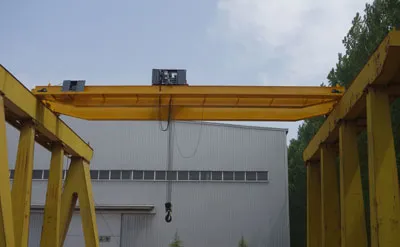
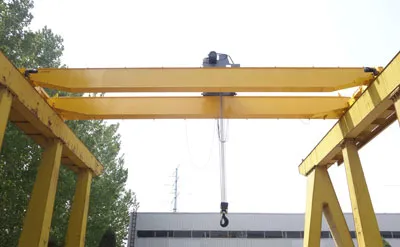
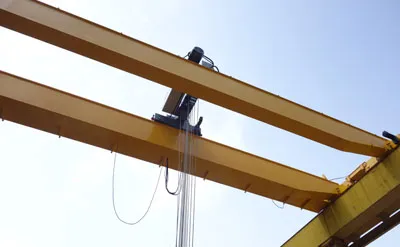
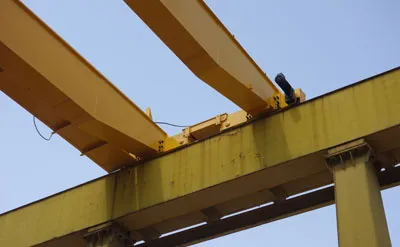
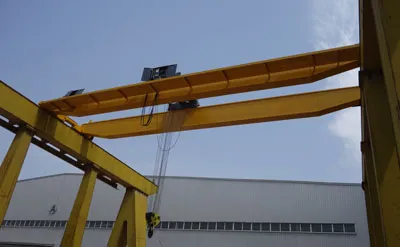
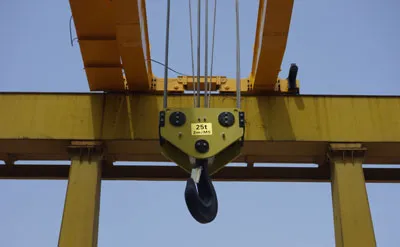
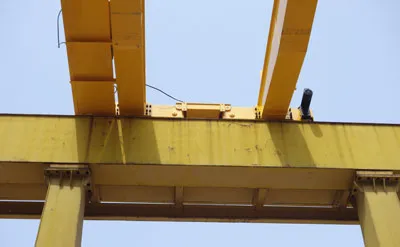
Lifting Capacity: 25 ton
Span: 13.7 m
Lifting Height: 5 m
Working Class: M5
Note: We can design and manufacture the crane according your requirments and working conditions.
25 Ton 13.7 M H-5 M Double Girder Overhead Crane with European Style Electric Wire Rope Hoist for sale to Australia:
A heavy equipment service company in Australia contacted us during the expansion of its indoor maintenance workshop used for mining machinery refurbishment. The customer mainly repairs hydraulic systems, steel assemblies, and transport equipment used in Western Australia’s mining sector. As maintenance contracts increased, the workshop required a more stable lifting system capable of handling large industrial components safely inside a compact production area.
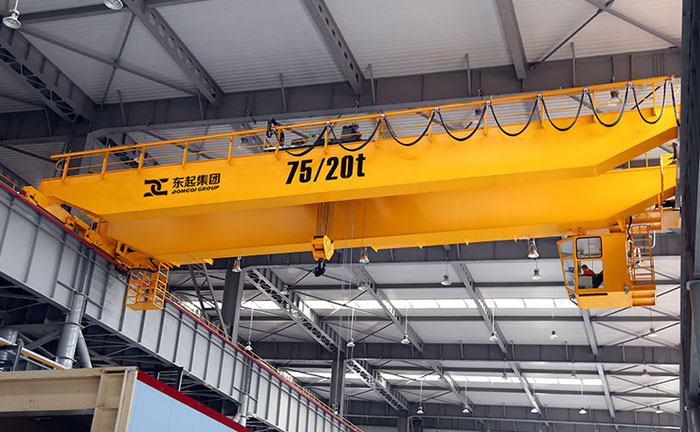
After several engineering discussions, the customer selected a QDX type 25 ton double girder overhead crane equipped with a European style electric wire rope hoist.
- Type: QDX
- Lifting Capacity: 25 Ton
- Lifting Height: 5 M
- Span: 13.7 M
- Power Supply: 415V50HZ3P
- Working Class: M5
- Нoist: European Style Electric Wire Rope Hoist
The workshop in Australia handled heavy mining equipment components on a daily basis, including crusher housings, steel support frames, gear assemblies, and conveyor sections.
The 13.7-meter span of the 25 ton overhead crane was designed to match the workshop width while allowing full coverage of all repair bays. Although the lifting height requirement was only 5 meters, the customer focused more on lifting stability and precise load control rather than excessive vertical travel.
One of the main reasons the customer in Australia selected a European style electric wire rope hoist was the compact structure and smoother operating performance. Compared with traditional hoist systems, the European configuration reduced headroom requirements and improved hook positioning accuracy inside the workshop.
The M5 working class of the 25 ton double girder overhead crane also matched the customer’s operational requirements well. The workshop performed frequent lifting cycles throughout the day, especially during equipment disassembly and alignment processes. Stable movement and reduced mechanical vibration were important factors because many repair tasks required precise positioning of heavy components.
During communication, the customer in Australia shared workshop layouts, equipment dimensions, and daily lifting frequency data. One challenge involved integrating the crane system into an existing building without major structural modification. Our engineering team optimized wheel load distribution and runway dimensions to reduce additional reinforcement requirements.
After arrival in Australia, installation was completed by the customer’s local contractor team with remote engineering guidance from our technical department. Since the workshop remained partially operational during installation, assembly scheduling was coordinated carefully to minimize disruption.
Several weeks after commissioning, the customer reported that the 25 ton overhead crane significantly improved maintenance efficiency and reduced equipment handling time. Operators particularly appreciated the smooth lifting performance and stable trolley movement during precision assembly work. Management also noted improved workshop safety, reduced forklift traffic, and more efficient use of indoor space after the crane entered daily operation.
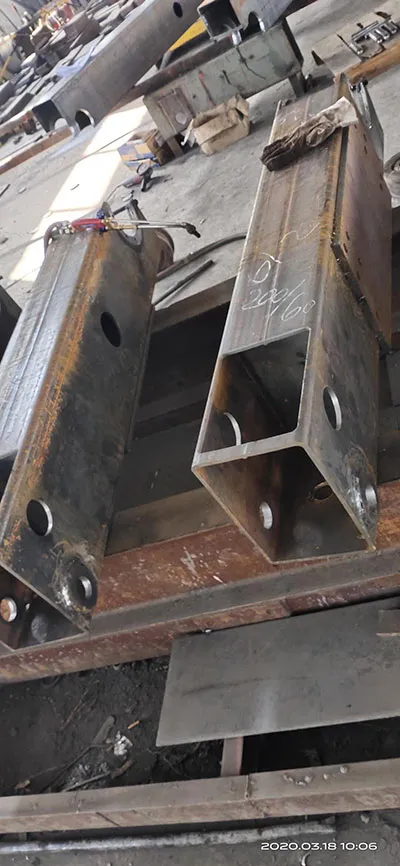
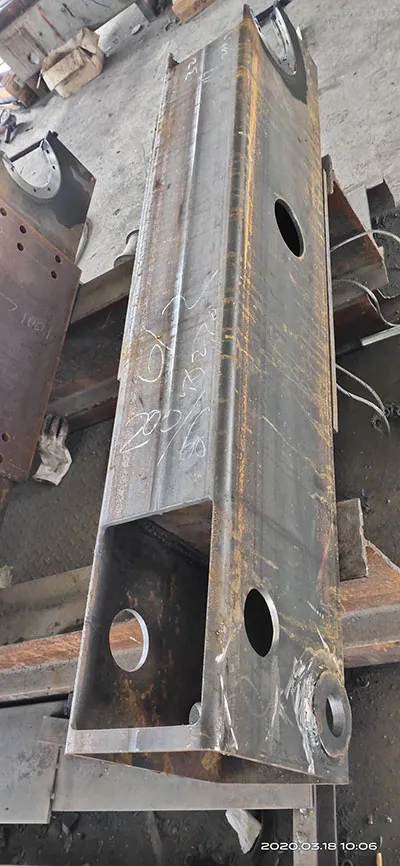
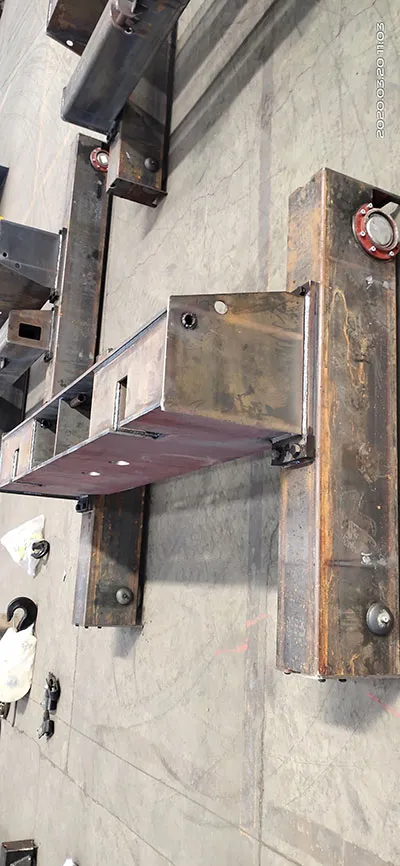
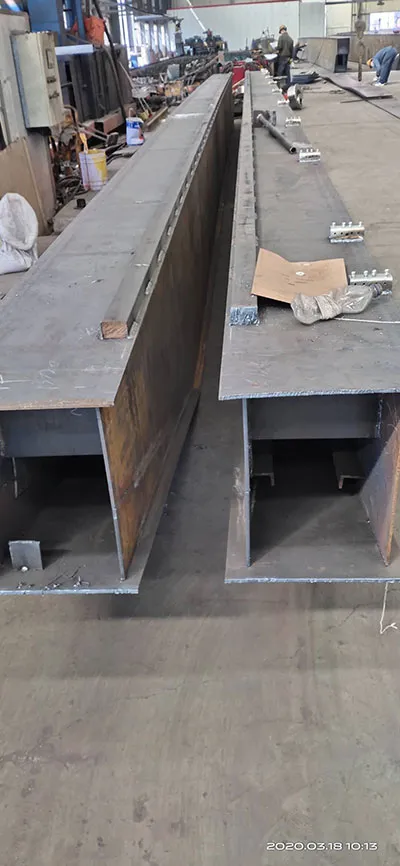
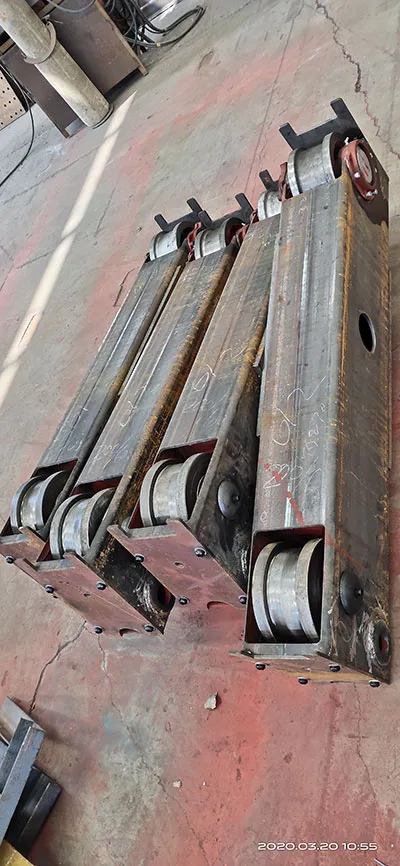
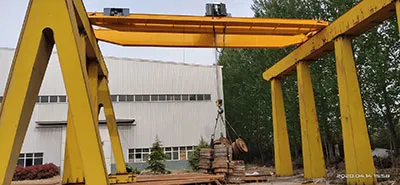
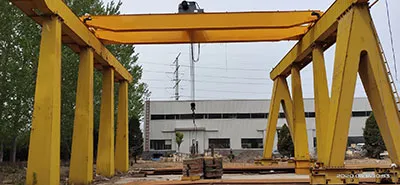
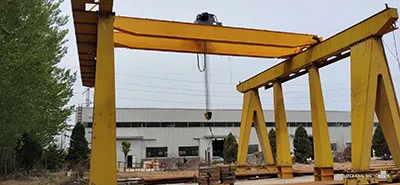
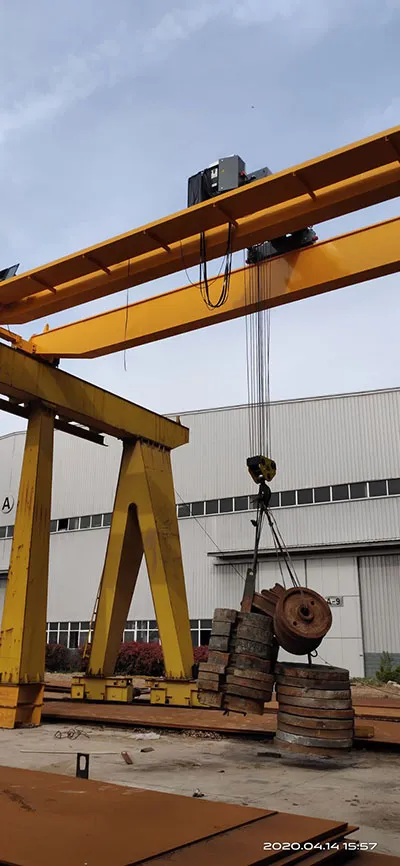
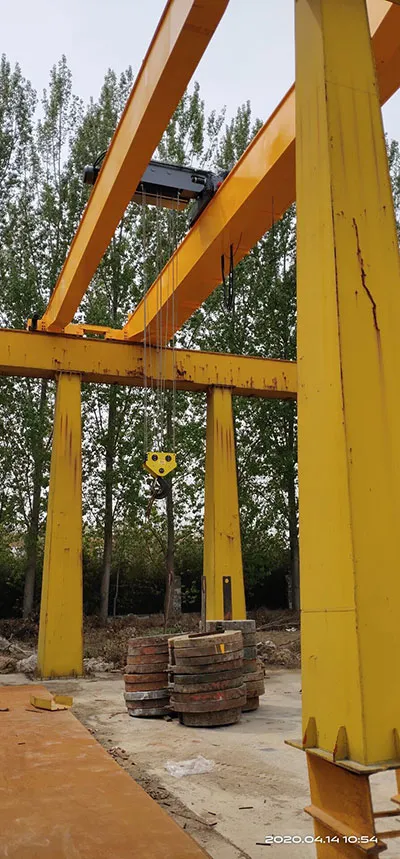
Production of 25 Ton Double Girder Overhead Crane:
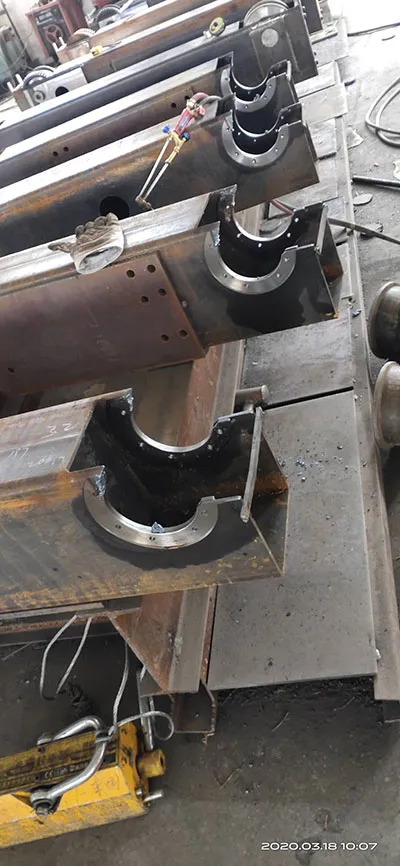
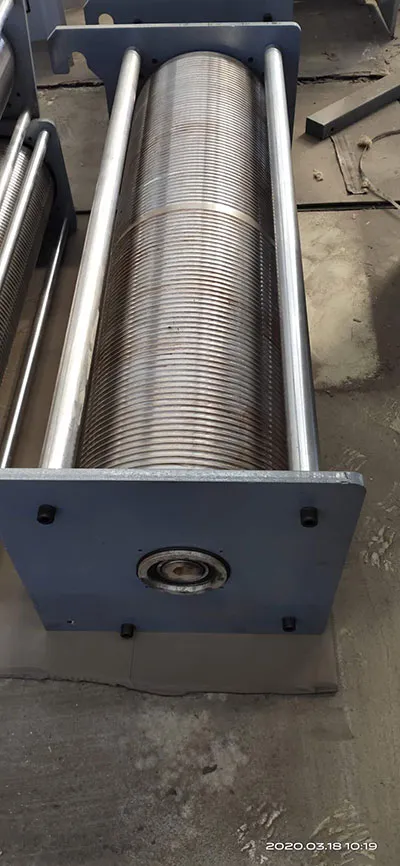
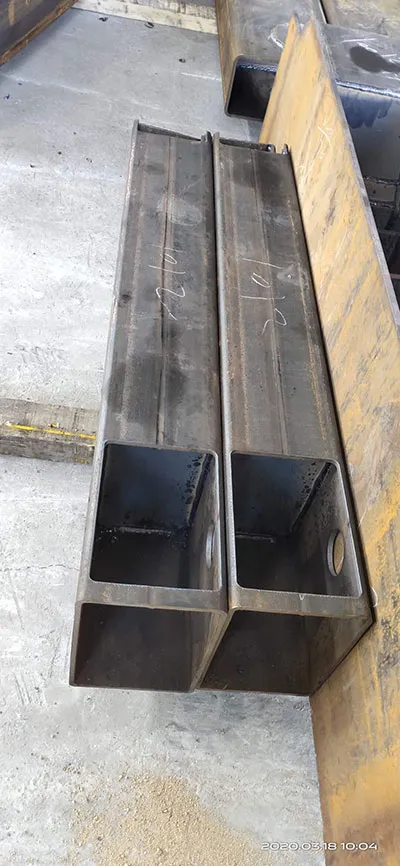
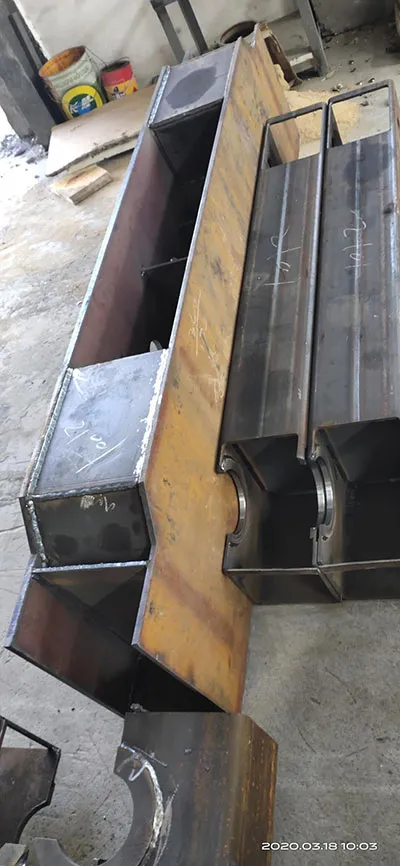
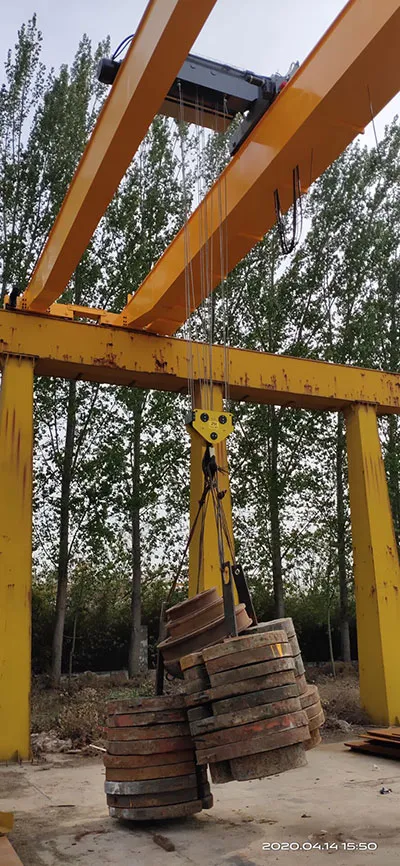
Testing of 25 Ton Double Girder Overhead Crane:
Why Is the 25 Ton Double Girder Overhead Crane Widely Used in Australia’s Mining Equipment Industry?
The mining industry remains one of the most important industrial sectors in Australia, creating strong demand for reliable heavy-duty lifting systems. In mining equipment workshops and maintenance facilities, the 25 ton double girder overhead crane is widely used because it provides stable lifting performance for large mechanical components and steel structures.
Mining service companies regularly handle crushers, conveyor frames, hydraulic assemblies, and processing equipment that require controlled lifting during maintenance and refurbishment. A 25 ton overhead crane allows operators to move these heavy components safely between disassembly, machining, and assembly areas.
One major advantage of the 25 ton double girder overhead crane is structural stability. Compared with lighter crane systems, the double girder configuration provides smoother trolley movement and improved load balance, especially when handling oversized mining equipment.
Many workshops in Australia also value precise load positioning. During maintenance operations, technicians often need accurate movement when aligning motors, shafts, and heavy industrial assemblies.
Another reason this crane type is popular is its suitability for continuous industrial operation. Mining equipment workshops often work with demanding schedules and frequent lifting cycles. The 25 ton overhead crane provides reliable long-term performance while maintaining manageable maintenance requirements.
How Does a 25 Ton Double Girder Overhead Crane Improve Steel Fabrication Efficiency in Australia?
Steel fabrication companies in Australia often process large structural components used in mining, transportation, warehouse construction, and energy projects. In these workshops, the 25 ton double girder overhead crane plays a critical role in improving production efficiency and material handling safety.
Fabrication facilities frequently move heavy steel beams, welded frames, and modular assemblies between cutting, welding, blasting, and painting areas. A 25 ton overhead crane allows these operations to run more smoothly by providing overhead transport across the entire workshop.
One key advantage of the 25 ton double girder overhead crane is improved load stability during handling. Large fabricated structures can become difficult to position accurately with forklifts or mobile lifting equipment. The double girder structure provides smoother movement and better control during lifting operations.
Workshops in Australia also benefit from improved use of floor space. By moving heavy materials overhead, the crane reduces congestion and improves internal transport efficiency between production stations.
Another important factor is long-term operational durability. Many fabrication workshops operate with high daily workloads, requiring crane systems capable of continuous medium-heavy duty service. The 25 ton overhead crane is well suited for these demanding industrial environments.
What Should Australian Factories Consider Before Installing a 25 Ton Double Girder Overhead Crane?
Before purchasing a 25 ton double girder overhead crane, factories in Australia should carefully evaluate building structure, lifting frequency, and operational workflow. Proper crane selection helps improve productivity while avoiding unnecessary long-term operating costs.
One of the first considerations is workshop design. A 25 ton overhead crane requires sufficient runway beam strength and installation clearance. Many industrial buildings are designed for specific production layouts, so crane integration must match the facility’s structural conditions.
Production workload is another important factor. The 25 ton double girder overhead crane is typically used in workshops handling frequent lifting operations involving heavy steel structures, machinery assemblies, or mining equipment components.
Factories in Australia should also consider lifting precision requirements. Double girder cranes provide smoother trolley travel and improved stability compared with smaller crane systems, making them suitable for workshops performing assembly or machining work requiring accurate positioning.
Maintenance accessibility is equally important. Industrial companies in Australia generally prefer crane systems with accessible service points and reliable spare parts availability. A properly configured 25 ton overhead crane supports easier maintenance and stable long-term operation.
Why Is the 25 Ton Double Girder Overhead Crane Suitable for Heavy Machinery Maintenance in Australia?
Heavy machinery maintenance is an important industrial activity in Australia, especially in mining, transportation, and industrial processing sectors. Workshops servicing loaders, conveyors, crushers, and processing systems often rely on the 25 ton double girder overhead crane for safe and efficient equipment handling.
Maintenance operations frequently involve lifting large mechanical assemblies inside limited workshop spaces. A 25 ton overhead crane allows technicians to move heavy components smoothly during disassembly and reassembly work.
One important benefit is lifting stability. The double girder structure improves load balance and reduces vibration during suspended handling. This is particularly useful when aligning large equipment parts during repair procedures.
Workshops in Australia also use the 25 ton double girder overhead crane to reduce dependence on mobile lifting equipment. Overhead transport creates safer movement paths inside busy maintenance facilities and improves overall workshop organization.
Another advantage is operational efficiency. Heavy industrial maintenance often requires repeated lifting cycles throughout the day, and the 25 ton double girder crane provides reliable performance under medium-heavy workloads.
How Does the 25 Ton Double Girder Overhead Crane Support Manufacturing Growth in Australia?
Manufacturing industries in Australia continue to modernize as companies improve production efficiency and reduce handling delays. In many industrial workshops, the 25 ton double girder overhead crane has become an important part of material handling infrastructure.
Manufacturers producing steel structures, industrial machinery, transport equipment, and processing systems often handle large assemblies requiring stable lifting during fabrication and installation. A 25 ton overhead crane improves workflow continuity by allowing direct overhead movement between production stations.
One practical advantage is improved load control during assembly operations. Large industrial components often require accurate positioning, and the 25 ton double girder overhead crane provides smoother movement compared with smaller lifting systems.
Factories also benefit from improved floor space utilization. Overhead transport reduces congestion caused by forklifts and temporary lifting equipment, creating a safer and more organized production environment.
Another reason manufacturers in Australia prefer the 25 ton overhead crane is long-term durability. The crane is suitable for continuous industrial operation while maintaining reliable lifting performance and manageable maintenance requirements.
Previous: Sorry no more
Next:25/5 Ton 17.7 M H-24 M Double Girder Overhead Crane for Sale to Steel Mill in India