Puente Grúa 20 Toneladas
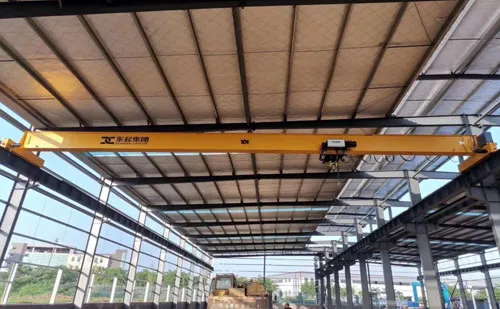
Puente Grúa Birriel LH de 20/5 Toneladas y 11.5 M y H-10 M Venta a la industria petrolera en Argentina
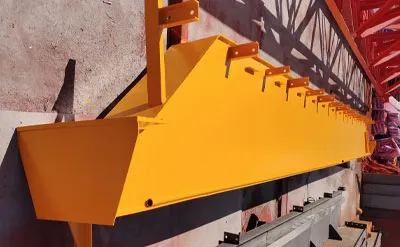
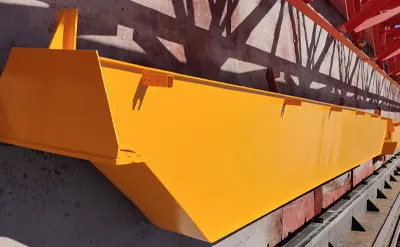
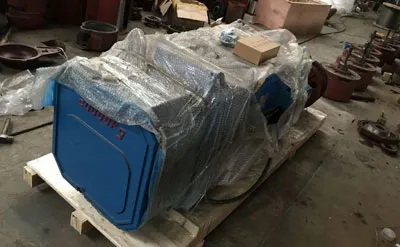
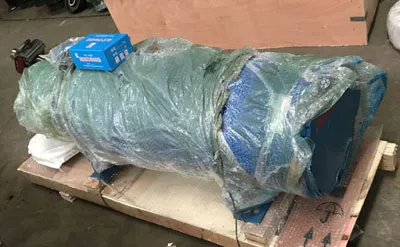
Capacidad de levantamiento: 20/5 ton
Lapso: 11.5 m
Altura de elevación: 10 m
Clase obrera: M3
Note: Podemos diseñar y fabricar la grúa según sus requisitos y condiciones de trabajo.
Puente Grúa Birriel LH de 20/5 Toneladas y 11.5 M y H-10 M Venta a la industria petrolera en Argentina
A petroleum company in Argentina required a reliable overhead lifting solution for its industrial workshop. The customer regularly handled heavy mechanical components, steel structures, and equipment parts during maintenance and assembly operations. These materials required stable lifting performance, accurate positioning, and sufficient capacity to support different workshop tasks.
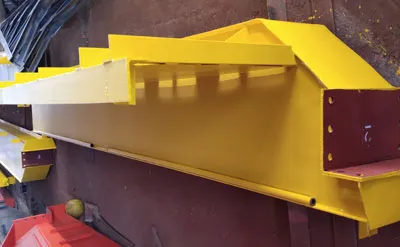
After evaluating the lifting requirements and installation space, the customer selected a **20/5 Ton Double Girder Overhead Crane** with an 11.5-meter span and 10-meter lifting height. The LH double girder design was selected to provide a suitable lifting arrangement for the customer's petroleum industry operations.
## Customized Crane Configuration
The crane is equipped with a 20-ton main hoist and a 5-ton auxiliary hoist. This dual-capacity arrangement allows the operator to handle heavy components with the main hoist and perform lighter lifting or positioning tasks with the auxiliary hoist. The configuration helps reduce unnecessary equipment changes and improves workshop handling flexibility.
20/5 Ton Double Girder Overhead Crane:
Type: LH
Lifting Capacity: 20/5 Ton
Lifting Height: 10 M
Span: 11.5 M
Working Class: M3
Hoist: Electric Wire Rope Hoist
Client: Petroleum Industry
20 Ton Electric Wire Rope Hoist:
Lifting Capacity: 20 ton
Lifting Height: 10 M
Working Class: M3
Lifting speed: 3.5 m/min
Traveling speed: 20m/min
5 Ton Electric Wire Rope Hoist:
Lifting Capacity: 5 ton
Lifting Height: 10 M
Working Class: M3
Lifting speed: 8 m/min
Traveling speed: 20m/min
## Technical Advantages and Project Communication
The **20/5 Ton Double Girder Overhead Crane** provides two lifting capacities within one crane system, making it suitable for petroleum equipment maintenance and component assembly. Its double girder structure supports stable load handling, while the electric wire rope hoists offer practical lifting performance for routine industrial operations.
For the Argentina project, the final configuration was confirmed according to the customer's equipment handling requirements and available installation space. The **20/5 Ton Double Girder Overhead Crane** offers a practical lifting solution for petroleum workshops that need to handle both heavy and lighter components efficiently.
1. How to Select a 20/5 Ton Double Girder Overhead Crane for Argentina's Petroleum Industry
Selecting lifting equipment for petroleum facilities requires careful consideration of load weight, operating conditions, and maintenance requirements. In Argentina, petroleum-related workshops may handle pumps, motors, valves, drilling components, and heavy steel assemblies. These materials often require reliable lifting equipment for maintenance and production activities.
A 20/5 ton double girder overhead crane provides a main lifting capacity of 20 tons and an auxiliary capacity of 5 tons. The main hoist handles heavy machinery, while the auxiliary hoist can support smaller components and positioning tasks. This arrangement can improve flexibility in equipment repair workshops.
Before selecting a crane, engineers should confirm the maximum load, lifting height, span, duty classification, and available building space. The crane's working class should reflect actual operating frequency and load conditions rather than capacity alone.
For petroleum applications, the design should also consider dust, temperature, electrical safety, and maintenance access. A properly selected crane can help Argentine petroleum companies improve material handling efficiency while supporting safer workshop operations.
2. What Are the Advantages of a 20/5 Ton Double Girder Overhead Crane in Oilfield Equipment Maintenance?
Oilfield equipment maintenance often involves large pumps, compressors, motors, and mechanical assemblies. These components may require lifting during inspection, repair, or replacement. Efficient material handling helps reduce unnecessary movement and supports a more organized maintenance workflow.
A 20/5 ton double girder overhead crane offers two lifting capacities within one crane system. The 20-ton main hoist is suitable for heavier machinery, while the 5-ton auxiliary hoist can handle smaller parts or assist with component positioning.
The double girder structure provides a stable bridge arrangement for demanding industrial lifting applications. Depending on the design, it can also support a suitable trolley configuration and lifting height for workshops with limited overhead space.
For petroleum service companies in Argentina, the crane can be used in equipment repair facilities, pump maintenance workshops, and machinery assembly areas. Engineers should evaluate load distribution, lifting speed, braking performance, and operator visibility before purchasing.
Regular inspection of wire ropes, brakes, electrical components, and limit switches is essential. With suitable maintenance planning, the crane can contribute to dependable workshop operations and reduce delays caused by manual handling.
3. How Does a 20/5 Ton Double Girder Overhead Crane Improve Petroleum Machinery Manufacturing?
Petroleum machinery manufacturing involves the production and assembly of heavy industrial equipment, including pump housings, pressure-related components, motor assemblies, and steel structures. During manufacturing, large parts must be transferred between machining, welding, assembly, and inspection areas.
A 20/5 ton double girder overhead crane can support these material handling processes by moving heavy components across the workshop. Its main hoist handles larger assemblies, while the auxiliary hoist provides additional flexibility for smaller parts and precision positioning.
For Argentine manufacturers serving the oil and gas sector, reducing unnecessary transportation between workstations can improve production organization. Overhead lifting also helps keep floor space available for machinery, worktables, and transportation routes.
The crane's span and lifting height should match the building layout and the dimensions of the equipment being handled. Engineers should also consider the weight of lifting accessories, such as slings and spreader beams, when determining the required capacity.
A well-planned lifting system can support smoother production flow, improve handling consistency, and help manufacturers manage heavy components more efficiently.
4. What Working Class Should Be Used for a 20/5 Ton Double Girder Overhead Crane in Petroleum Workshops?
Working class is an important factor when selecting lifting equipment for petroleum workshops. It reflects the expected operating frequency and load spectrum of the crane. Two cranes with the same rated capacity may require different designs if their daily workloads are significantly different.
A 20/5 ton double girder overhead crane may be used for occasional equipment maintenance, regular machinery assembly, or more frequent production operations. Each application creates different demands on motors, brakes, wire ropes, bearings, and structural components.
For petroleum facilities in Argentina, engineers should estimate the number of lifting cycles per hour, operating hours per day, average load, and frequency of heavy lifts. These details help determine the appropriate duty classification under the selected design standard.
A crane used mainly for scheduled maintenance may have different requirements from one operating continuously in a manufacturing workshop. Selecting an excessively low working class may increase wear, while an unnecessarily high classification can increase investment costs.
The final working class should be confirmed through a technical evaluation of the actual operating conditions. Proper classification helps balance equipment reliability, service life, and project cost.
5. What Safety Features Should Be Considered for a 20/5 Ton Double Girder Overhead Crane in Argentina?
Safety is a major consideration when lifting heavy machinery in petroleum-related facilities. Workshop operations may involve valuable equipment, restricted working areas, and personnel working near lifting routes. A suitable crane design should therefore include appropriate protective devices and reliable operating controls.
A 20/5 ton double girder overhead crane can be equipped with overload protection, upper and lower limit switches, emergency stop functions, and reliable braking systems. These devices help prevent certain operating errors and reduce the risk of uncontrolled lifting movements.
The main and auxiliary hoists should be evaluated separately because they have different rated capacities and may have different operating characteristics. Operators must understand the capacity of each hoist and avoid exceeding the permitted load.
For projects in Argentina, buyers should confirm applicable local regulations, electrical requirements, and the standards specified in the project documents. Installation, commissioning, and operator training should be completed by qualified personnel.
Safety also depends on routine inspections, correct lifting accessories, and clear communication between operators and ground personnel. A comprehensive safety approach supports reliable crane operation throughout the equipment's service life.
6. How to Maintain a 20/5 Ton Double Girder Overhead Crane in Argentina's Oil and Gas Sector
Regular maintenance helps keep lifting equipment reliable in petroleum workshops and industrial service facilities. Dust, oil contamination, temperature changes, and frequent operation can affect mechanical and electrical components over time.
A 20/5 ton double girder overhead crane should be inspected according to its operating conditions and the manufacturer's maintenance recommendations. Important inspection points include wire ropes, hooks, brakes, wheels, bearings, electrical connections, and limit switches.
The main and auxiliary hoists should receive appropriate inspection because their operating loads and usage patterns may differ. Abnormal noise, vibration, braking changes, or damaged lifting components should be investigated before continued operation.
For petroleum companies in Argentina, establishing a maintenance schedule can help organize inspections and reduce unexpected equipment downtime. Maintenance records should include inspection dates, detected problems, corrective actions, and component replacement details.
Operators should also report unusual crane behavior promptly. Preventive maintenance, proper lubrication, and timely replacement of worn components can help extend service life and maintain dependable material handling performance.
Próximo: Lo siento no más